


Knitting Pattern: A Complete Guide to Types, Techniques, and Project Planning in the United States
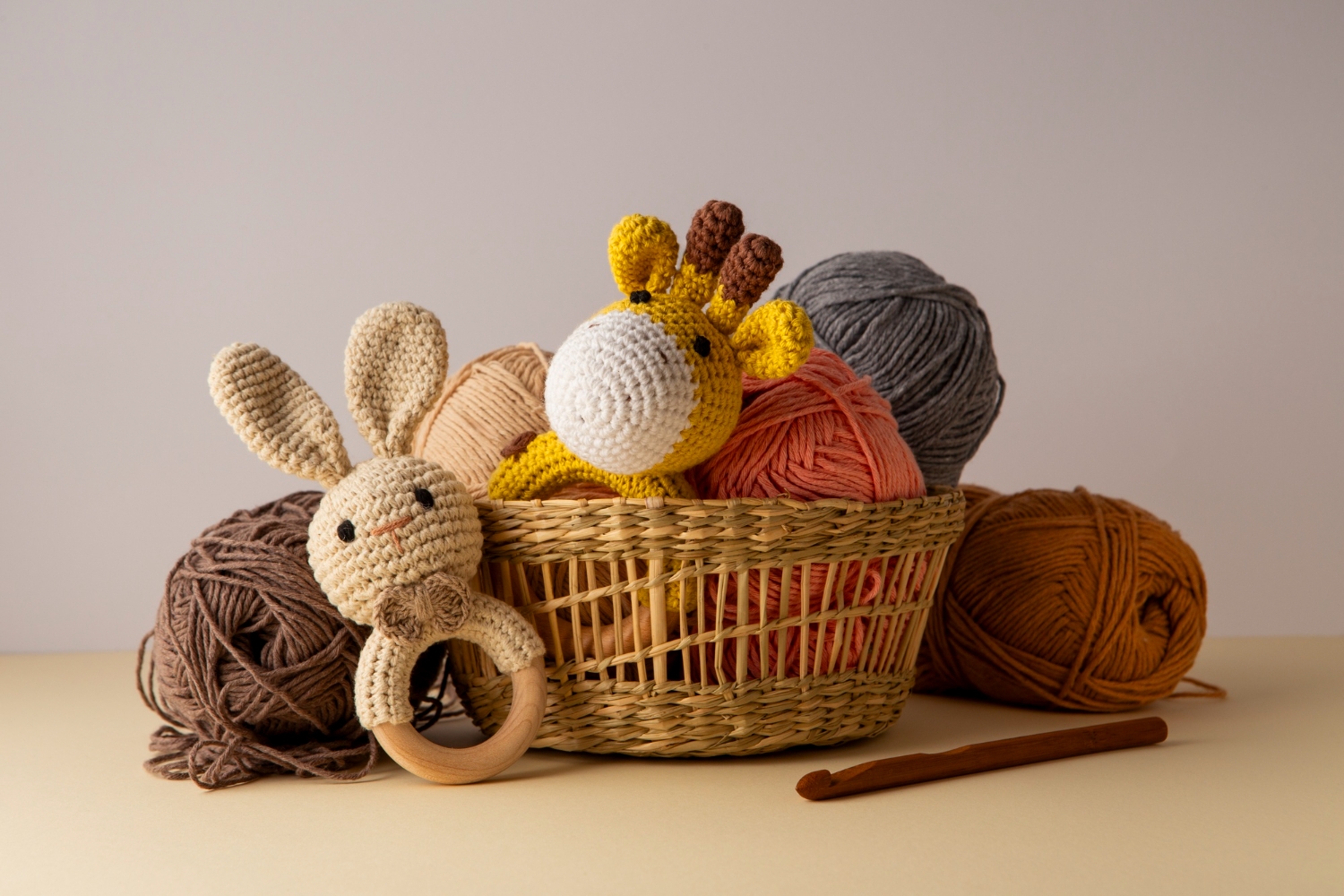
A knitting pattern provides structured instructions for creating knitted items, including clothing, accessories, blankets, and decorative pieces. Across the United States, knitting remains a widely practiced craft that combines practical skills with creativity. A knitting pattern helps crafters understand how to transform yarn into a finished product by following specific stitch sequences, measurements, and construction techniques.
Knitting patterns are available for different skill levels, from simple projects for beginners to intricate designs for experienced knitters. They may include written instructions, charts, diagrams, and photographs to explain the process. Understanding how a knitting pattern works can help knitters select suitable projects, prepare the necessary materials, and achieve consistent results.
What Is a Knitting Pattern?
A knitting pattern is a set of instructions that describes how to produce a particular knitted item. It typically identifies the required yarn, needle size, gauge, stitch techniques, dimensions, and finishing methods.
Patterns can be simple or complex depending on the design. A basic scarf pattern may require only knit stitches, while a fitted sweater pattern may involve increases, decreases, sleeve shaping, and neckline construction.
Most patterns also use abbreviations to keep instructions concise. Common examples include K for knit, P for purl, CO for cast on, BO for bind off, and RS and WS for right side and wrong side. Understanding these terms makes it easier to follow written directions without repeatedly interrupting the knitting process.
Common Types of Knitting Patterns
Knitting patterns cover numerous project categories, each with different construction methods and material requirements.
Scarf patterns: Scarves are popular beginner projects because they often involve rectangular shapes and repeated stitch sequences. Patterns may include ribbing, stripes, textured stitches, or decorative borders.
Hat patterns: Knitted hats introduce techniques such as ribbed edges, circular knitting, and decreases. Some patterns use straight needles and seams, while others require circular or double-pointed needles.
Sweater patterns: Sweaters generally involve more detailed instructions for shaping, sizing, sleeves, necklines, and garment assembly. Patterns may be worked in separate pieces or constructed seamlessly from the top down or bottom up.
Blanket patterns: Blankets may feature repeating stitch designs, colorful squares, stripes, or textured panels. Their yarn requirements depend on the dimensions, stitch pattern, and thickness of the selected yarn.
Sock patterns: Socks involve techniques such as heel construction, gussets, toe shaping, and knitting in the round. These projects often require careful stitch counting and attention to fit.
Baby clothing patterns: Baby garments typically use smaller dimensions and may require soft, washable yarn. Patterns should provide clear sizing information and practical finishing instructions.
Understanding the Main Elements of a Knitting Pattern
A knitting pattern contains several important sections that guide the project from preparation to completion.
- Materials: Lists the recommended yarn, knitting needles, stitch markers, and other necessary tools.
- Gauge: Specifies the number of stitches and rows within a measured area, helping determine the finished dimensions.
- Sizing: Provides measurements and stitch counts for different sizes when applicable.
- Abbreviations: Explains the shortened terms used throughout the instructions.
- Stitch instructions: Describes the sequence of stitches, repetitions, increases, and decreases required.
- Finishing instructions: Explains how to bind off, sew seams, weave in loose ends, and block the finished item.
Reading these sections before starting helps identify unfamiliar techniques and ensures that the necessary materials are available.
Selecting the Right Yarn and Needles
Yarn selection significantly affects the appearance, texture, and functionality of a knitted item. Wool is commonly used for warm garments because of its elasticity and insulating properties. Cotton is suitable for many lightweight garments and household items, while acrylic yarn is frequently used for blankets, accessories, and everyday projects.
Blended yarns combine different fibers to balance characteristics such as softness, durability, and ease of care. The pattern's recommended yarn weight and fiber composition provide a useful starting point when selecting materials.
Needle size also influences stitch size and fabric density. Larger needles generally create looser fabric, while smaller needles tend to produce tighter stitches. The final result depends on the yarn, needle size, and individual knitting tension.
A gauge swatch allows knitters to compare their stitches with the pattern's specifications. This is particularly important for garments, where even small differences in gauge can affect fit.
Knitting Patterns for Beginners and Experienced Crafters
Beginner knitting patterns usually emphasize fundamental techniques such as casting on, knitting, purling, and binding off. Projects such as washcloths, simple scarves, and basic blankets allow beginners to practice stitch consistency without managing complicated shaping.
Intermediate patterns may introduce ribbing, seed stitch, cables, simple lace, and basic garment construction. These techniques expand the range of textures and shapes that can be created.
Advanced knitting patterns may include intricate lacework, stranded colorwork, short rows, complex cables, and seamless garment designs. Such patterns often require careful tracking of stitch counts and repeated instructions.
Choosing a pattern that matches the knitter's current abilities can make the process more manageable while providing opportunities to develop new skills.
Reading Knitting Patterns in the United States
In the United States, knitting patterns commonly use US knitting terminology and needle-size conventions. However, patterns from other countries may use different abbreviations, metric needle measurements, or alternative yarn-weight descriptions.
Before beginning an international pattern, knitters should check the terminology guide, needle measurements, and recommended gauge. A yarn described using one country's classification system may not correspond exactly to a category used elsewhere.
Written instructions and knitting charts are two common pattern formats. Written instructions explain stitch sequences in text, while charts use symbols to represent stitches and their placement. Charts are particularly useful for visualizing lace, cables, and colorwork.
Tips for Following a Knitting Pattern Successfully
Careful preparation can improve accuracy throughout a knitting project. Reviewing the complete pattern helps identify special techniques, construction details, and potential challenges before the first stitch is cast on.
Maintaining consistent tension, counting stitches regularly, and using stitch markers where appropriate can reduce common errors. Checking gauge before beginning a fitted garment can also prevent unnecessary adjustments later.
For complex projects, keeping notes about completed rows or pattern repeats helps maintain progress between knitting sessions. Blocking, when appropriate for the yarn and project, can improve the shape and presentation of the finished piece.
Conclusion
A knitting pattern serves as a practical guide for creating knitted garments, accessories, blankets, and decorative items. By explaining materials, stitch sequences, gauge, sizing, and finishing techniques, it helps knitters organize each stage of a project.
Understanding pattern terminology, selecting suitable yarn and needles, and matching project complexity to skill level can contribute to more consistent results. Whether a project involves a simple scarf or a detailed sweater, careful pattern reading provides a foundation for successful knitting across the United States.
- Goth Lifestyle
- Fashion & Style
- Music & Bands
- Art & Photography
- Creative Writing & Poetry
- Events & Scene
- Occult & Spirituality
- DIY & Tutorials
- Beauty & Self-Care
- Relationships & Dating
- Gaming & Media
- Tech & Gadgets
- Body Art & Piercings
- Underground Culture
- Spotlights & Interviews
- Travel & Places
- Lifestyle & Daily Life
- Fitness & Health
- Travel & Adventure
- Books & Literature
- Tech & Gaming
- Movies & TV
- Food & Drinks
- Humor & Memes
- Pets & Animals
- General Arts & Crafts

 English
 Arabic
 French
 Spanish
 Portuguese
 Deutsch
 Turkish
 Dutch
Dutch
 Italiano
 Russian
 Romaian
 Portuguese (Brazil)
