


The Ultimate Guide to Modern Desk Decor: Trends, Essentials, and Expert Tips
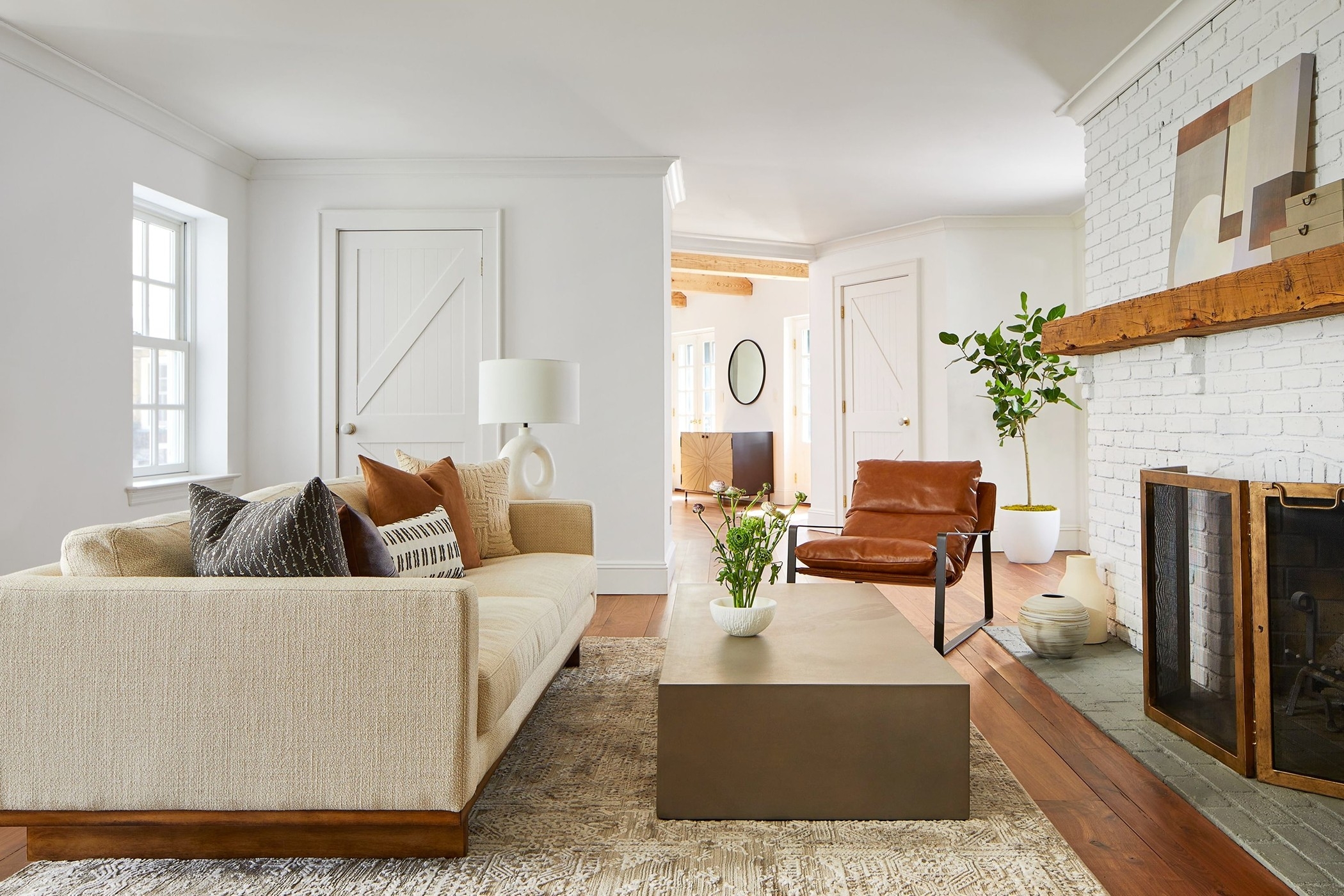
A thoughtfully designed desk can make a home office feel more comfortable, organized, and inspiring. From streamlined organizers and task lighting to natural textures and carefully selected artwork, small changes can have a noticeable effect. Modern desk decor is not simply about adding attractive accessories to a work surface; it is about creating a balanced environment where style and functionality support each other. The best approach combines practical needs with a consistent design direction so the workspace feels intentional rather than crowded.
Start With a Functional Desk Foundation
Before focusing on decorative accessories, evaluate the desk itself and how you use it each day. Your working surface should provide enough room for essential equipment, writing materials, and other frequently used items without feeling cramped. Consider monitor placement, keyboard position, lighting, cable access, and storage requirements before adding decorative pieces. A functional foundation makes styling easier because every accessory can be selected according to the available space and your actual workflow.
Ergonomics should also remain part of the planning process. Your chair height, monitor position, keyboard placement, and desk height can influence comfort during extended work sessions. Decorative choices should never interfere with these basic requirements. For example, an oversized lamp may look impressive but reduce usable workspace, while a decorative monitor stand may place the screen at an uncomfortable height. Good design starts by making the desk practical before making it visually appealing.
Understand Current Modern Desk Decor Trends
Modern workspace design increasingly favors simplicity, natural materials, and carefully edited accessories. Neutral colors, warm wood tones, matte finishes, sculptural lighting, and minimal organizers can create a sophisticated appearance without excessive decoration. Instead of filling a desk with numerous objects, many contemporary interiors rely on a small selection of visually distinctive pieces. This approach creates a cleaner environment while leaving enough open space for everyday work.
Organic shapes are another useful direction for modern interiors. Rounded desk accessories, curved lamps, ceramic objects, and softly shaped storage containers can balance the straight lines commonly found in desks and office equipment. Natural textures such as wood, stone, leather, and woven materials can also make a workspace feel warmer. Trends can provide inspiration, but they should be adapted to your preferences and working habits rather than followed simply because they are fashionable.
Choose Desk Accessories That Serve a Purpose
The most effective modern desk decor often combines decoration with practical function. A well-designed pen holder can organize writing tools, while a stylish tray can contain small everyday items. A document stand can keep reference materials visible without covering the main working surface. Even a desk lamp can become a decorative focal point when its shape and finish complement the rest of the room.
Avoid adding accessories simply because there is empty space available. Too many objects can make a desk difficult to clean and create unnecessary visual distractions. Instead, choose pieces that solve specific problems or contribute meaningfully to the overall design. A useful rule is to keep frequently used items accessible while storing everything else elsewhere. This creates a workspace that looks refined while remaining convenient throughout the day.
Use Lighting as Both Function and Decoration
Lighting deserves special attention because it affects both the appearance of the room and the comfort of the person working there. A task lamp should provide sufficient illumination for reading, writing, or detailed work without creating harsh glare. Its size should be appropriate for the desk, and its placement should leave enough room for other essential equipment. Adjustable designs can be particularly practical because they allow the direction of light to change as your needs change.
Additional lighting can create depth and warmth around the workspace. Ambient lighting can illuminate the room generally, while accent lighting can highlight shelving, artwork, or architectural features. Choosing fixtures with simple silhouettes and complementary finishes can reinforce a modern aesthetic. Warm lighting may create a more relaxed atmosphere, while brighter task illumination can be useful for focused activities. The best setup balances visual appeal with practical visibility.
Bring Natural Materials Into the Workspace
Natural materials can prevent a modern desk from feeling cold or overly industrial. Wooden trays, leather organizers, stone accessories, ceramic containers, and woven elements can introduce texture without creating clutter. These materials also work well with neutral interiors because they provide subtle variations in tone and surface. Even one carefully selected natural material can make a noticeable difference in the character of a workspace.
Plants are another simple way to introduce natural texture and color. A small plant can soften the hard surfaces of a desk while adding visual interest to an otherwise neutral arrangement. Select a plant according to the available light and the amount of care you can realistically provide. If maintaining live plants is impractical, a high-quality artificial arrangement can offer a similar visual effect. The important consideration is maintaining balance and leaving enough room for actual work.
Incorporate Collectible Modern Furniture Thoughtfully
Collectible modern furniture can give a home office a distinctive sense of personality and design history. A carefully chosen chair, side table, storage cabinet, or desk can serve as a focal point while contributing practical value. When incorporating a collectible piece, consider its proportions, materials, condition, and relationship to the rest of the room. The furniture should remain functional rather than being treated solely as a decorative object.
A collectible piece does not need to dominate the entire office. One distinctive item can provide enough character when surrounded by simpler contemporary elements. For example, a sculptural chair can stand out against a restrained desk and neutral wall, while a vintage storage cabinet can provide both visual interest and useful organization. Combining collectible modern furniture with contemporary accessories can create a balanced environment that feels curated without appearing overly formal.
Create an Organized and Clutter-Free Surface
Organization is one of the most important parts of a successful modern workspace. Start by identifying the items that need to remain on the desk every day and move everything else into drawers, cabinets, shelves, or nearby storage. Cable management is equally important because loose cords can quickly make an otherwise attractive desk appear untidy. Use practical cable-routing solutions to keep wires controlled and charging equipment accessible.
Storage containers should also complement the room's design. Instead of choosing random boxes or organizers, consider materials and finishes that repeat elements already present in the space. Matching or complementary organizers can make necessary office supplies feel like part of the decor. Keep frequently used items within reach and less frequently used materials out of sight. This simple system makes it easier to maintain an organized desk over time.
Use Color and Contrast Strategically
A modern desk does not have to be completely neutral. Carefully selected accent colors can create personality while preserving a sophisticated appearance. Consider using one dominant neutral shade supported by a small number of complementary colors. A muted green plant, warm wooden accessory, deep blue notebook, or subtle metallic detail can provide enough contrast without overwhelming the workspace.
Contrast can also come from materials rather than color. Smooth glass, textured wood, matte metal, soft upholstery, and polished surfaces can create visual variety while remaining within a restrained palette. Repeating a particular finish in two or three locations can help the room feel coordinated. Avoid introducing too many unrelated materials because excessive variation can make the workspace feel visually fragmented.
Add Artwork and Personal Elements
A workspace should feel personal enough to encourage comfort and creativity. Framed artwork, photography, books, small sculptures, or meaningful objects can help create that connection. Wall-mounted pieces are especially useful when desk space is limited because they add personality without taking away valuable working room. Choose artwork that complements the colors and proportions of your furniture rather than competing with it.
Personal items should be curated rather than accumulated. If every meaningful object is placed on the desk, the workspace can quickly become distracting. Select a few pieces that genuinely contribute to the environment and rotate them occasionally if you enjoy changing the appearance of your office. This approach keeps the workspace fresh while preserving a sense of identity. A modern office can be minimal without feeling impersonal.
Maintain Your Decor for Long-Term Appeal
Even the most carefully designed desk can lose its visual appeal if it becomes difficult to maintain. Dust surfaces regularly, keep cables organized, and return everyday items to their designated locations after use. Wooden furniture may require specific cleaning methods, while metal, glass, and leather can have different care requirements. Follow appropriate maintenance practices for each material rather than using one cleaning method on everything.
Review your workspace every few months and consider whether each item still serves a purpose. Work equipment may change, storage requirements may increase, and accessories that once seemed useful may become unnecessary. Removing items can be just as valuable as adding them. A flexible approach allows your desk to evolve while keeping the overall design clean and functional.
Build a Workspace That Reflects Your Style
The best modern desk decor combines visual simplicity with everyday usefulness. Begin with a functional desk setup, introduce practical accessories, improve lighting, incorporate natural materials, and add personal details gradually. If you own or appreciate collectible modern furniture, use individual pieces as focal points rather than overwhelming the entire room. Above all, leave enough open space for comfortable work and easy movement.
A well-styled home office should feel like a natural extension of your home rather than a generic workspace. Current trends can provide useful inspiration, but timeless principles such as proportion, organization, comfort, and balance are more important for long-term satisfaction. By selecting each element thoughtfully, you can create a desk environment that looks polished, supports productivity, and reflects your individual taste without sacrificing practicality.
- Goth Lifestyle
- Fashion & Style
- Music & Bands
- Art & Photography
- Creative Writing & Poetry
- Events & Scene
- Occult & Spirituality
- DIY & Tutorials
- Beauty & Self-Care
- Relationships & Dating
- Gaming & Media
- Tech & Gadgets
- Body Art & Piercings
- Underground Culture
- Spotlights & Interviews
- Travel & Places
- Lifestyle & Daily Life
- Fitness & Health
- Travel & Adventure
- Books & Literature
- Tech & Gaming
- Movies & TV
- Food & Drinks
- Humor & Memes
- Pets & Animals
- General Arts & Crafts

 English
 Arabic
 French
 Spanish
 Portuguese
 Deutsch
 Turkish
 Dutch
Dutch
 Italiano
 Russian
 Romaian
 Portuguese (Brazil)