


Why Quality Matters: Investing in Durable Law Enforcement Accessories
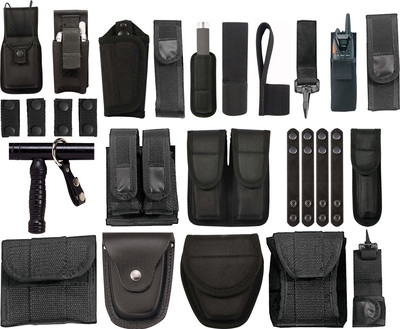
Every officer knows that equipment can mean the difference between a controlled situation and a dangerous one. Yet when budgets are tight or shopping lists are long, it is easy to treat duty gear as just another purchase and choose whatever costs the least. That is a risky habit. Holsters, belts, pouches, and carriers are used daily, under stress, and often in harsh conditions, so their quality directly affects safety, performance, and long-term cost.
This article explains why investing in durable law enforcement accessories is one of the smartest decisions an officer or department can make.
1. Reliability When It Matters Most:
Duty gear is rarely tested in calm conditions. A holster must retain a firearm during a foot pursuit and still release it smoothly when needed. A magazine pouch must hold its contents securely while an officer climbs a fence, then allow a quick reload seconds later. A handcuff case must stay closed during a struggle and open without hesitation.
Cheap accessories often fail at these moments, because weak materials, poor molding, and inconsistent construction lead to loose retention, stuck closures, or broken parts. High-quality law enforcement accessories are designed and tested for repeatable performance, which gives officers confidence that their tools will work the same way every time. That confidence is not a luxury, since hesitation or malfunction in a critical moment can have serious consequences.
2. Officer Safety and Weapon Retention:
Safety is the strongest argument for quality. Duty holsters and retention systems exist to keep a firearm or less-lethal tool in the officer's hands and out of anyone else's. A worn or poorly made holster may lose its retention over time, and a low-quality clip or fastener can snap under pressure.
Well-made accessories use precise molding, strong hardware, and proven locking mechanisms that maintain their grip through years of use. They also tend to meet recognized retention standards and come from manufacturers with a track record in the field. When your life or someone else's may depend on a piece of equipment, paying for proven construction is a sensible choice rather than an extravagance.
3. Materials and Craftsmanship That Last:
The difference between budget and premium gear usually starts with materials. Quality nylon resists abrasion, moisture, and fading. Well-tanned leather stays supple and strong for years when cared for. Molded polymer and Kydex hold their shape and keep consistent retention despite heat, cold, and repeated use.
Craftsmanship matters just as much. Look at stitching density, edge finishing, rivet placement, and the quality of screws and snaps. Durable law enforcement accessories show clean, even stitching and solid hardware, while cheaper alternatives may have loose threads, thin webbing, or metal that bends and corrodes. These small details determine whether gear lasts a few months or several years.
4. Comfort Over Long Shifts:
Officers wear their equipment for ten, twelve, or even more hours at a stretch. A poorly shaped belt or badly balanced holster can create pressure points, rub against the body, and contribute to back and hip pain. Over time, discomfort affects concentration, mobility, and overall wellbeing.
Quality gear is generally designed with ergonomics in mind. Belts hold their rigidity without digging in, holsters sit at a natural angle, and accessories distribute weight more evenly. Comfortable law enforcement accessories help officers stay alert and physically resilient, and that benefit builds up across an entire career.
5. The True Cost of Cheap Equipment:
Low prices can be misleading. A budget holster that needs replacing every year, a belt that stretches out of shape, or a pouch that tears at the seams will cost more over time than a well-made alternative. Add the time spent shopping for replacements, the possible need to retrain on a new layout, and the risk of failure in the field, and the savings disappear quickly.
A better way to judge value is the total cost of ownership. Divide the price by the years of reliable service you can expect. A durable belt or holster that lasts five to ten years is usually far cheaper per year of use than budget gear replaced repeatedly. For departments purchasing in volume, this difference grows even larger.
6. Consistency Across a Department:
Departments benefit from quality in additional ways. Standardized, durable gear makes training simpler, since everyone learns on the same equipment. Armorers and supervisors can inspect and maintain a limited range of products, and replacement parts are easier to source.
Inconsistent or low-grade equipment creates confusion and extra work. Officers may carry mismatched gear that behaves differently, and failures can lead to delays, reports, and even liability concerns. Choosing reliable law enforcement accessories for the whole team supports both operational efficiency and professional credibility.
7. Weather and Environmental Resistance:
Patrol work takes place in every kind of weather, from summer heat and desert dust to freezing rain and salt spray near coasts. Poor materials can crack, swell, rust, or lose retention in these conditions. Cheap adhesives may fail, and low-grade metal hardware can corrode quickly.
Quality accessories are built to handle these stresses. Water-resistant coatings, corrosion-resistant hardware, and stable synthetic materials help gear perform consistently across seasons and locations. This durability reduces the chance of unexpected failures and cuts down on the maintenance needed to keep equipment serviceable.
8. Warranty, Support, and Manufacturer Reputation:
A trustworthy manufacturer stands behind its products. Established brands usually offer clear warranties, replacement parts, and responsive customer support. They also gather feedback from working officers and improve their designs over time.
Before buying, research the manufacturer's reputation. Ask fellow officers what they use and how it has held up, read independent reviews, and check whether the company supplies other agencies. A strong warranty shows that a brand trusts its own construction, which is a valuable signal when you are choosing law enforcement accessories that must perform for years.
9. How to Judge Quality Before You Buy:
You do not need to be an equipment expert to spot good gear. Handle the product and check whether it feels solid, whether the stitching is even, and whether the hardware operates smoothly. Test the fit with your actual firearm, radio, or tool, and make sure retention feels firm but not awkward.
Wear the gear during training before taking it on patrol. Check how it behaves with body armor and uniform layers, and pay attention to noise, snagging, and comfort. Ask about materials, testing standards, and department approval, and compare several options rather than accepting the first one you find.
10. Care and Maintenance Protect Your Investment:
Even the best equipment needs care. Inspect your belt, holsters, and pouches regularly for cracks, fraying, loose screws, and worn retention parts. Clean leather and condition it as recommended, wash nylon according to manufacturer guidance, and replace anything that shows signs of failure.
Good maintenance extends the life of law enforcement accessories and keeps them dependable. A quick monthly check takes only a few minutes and can catch problems early, protecting both your gear and your safety.
Final Thoughts:
Quality is not about spending the most money. It is about choosing equipment that is reliable, safe, comfortable, and built to last. Durable law enforcement accessories protect officers in critical moments, support long shifts, and save money over time. When you consider the risks and demands of the job, investing in quality gear is one of the most practical decisions you can make.
- Goth Lifestyle
- Fashion & Style
- Music & Bands
- Art & Photography
- Creative Writing & Poetry
- Events & Scene
- Occult & Spirituality
- DIY & Tutorials
- Beauty & Self-Care
- Relationships & Dating
- Gaming & Media
- Tech & Gadgets
- Body Art & Piercings
- Underground Culture
- Spotlights & Interviews
- Travel & Places
- Lifestyle & Daily Life
- Fitness & Health
- Travel & Adventure
- Books & Literature
- Tech & Gaming
- Movies & TV
- Food & Drinks
- Humor & Memes
- Pets & Animals
- General Arts & Crafts
 English
 Arabic
 French
 Spanish
 Portuguese
 Deutsch
 Turkish
 Dutch
Dutch
 Italiano
 Russian
 Romaian
 Portuguese (Brazil)
 Greek
Greek