


Property Inspection: A Complete Guide for Homeowners
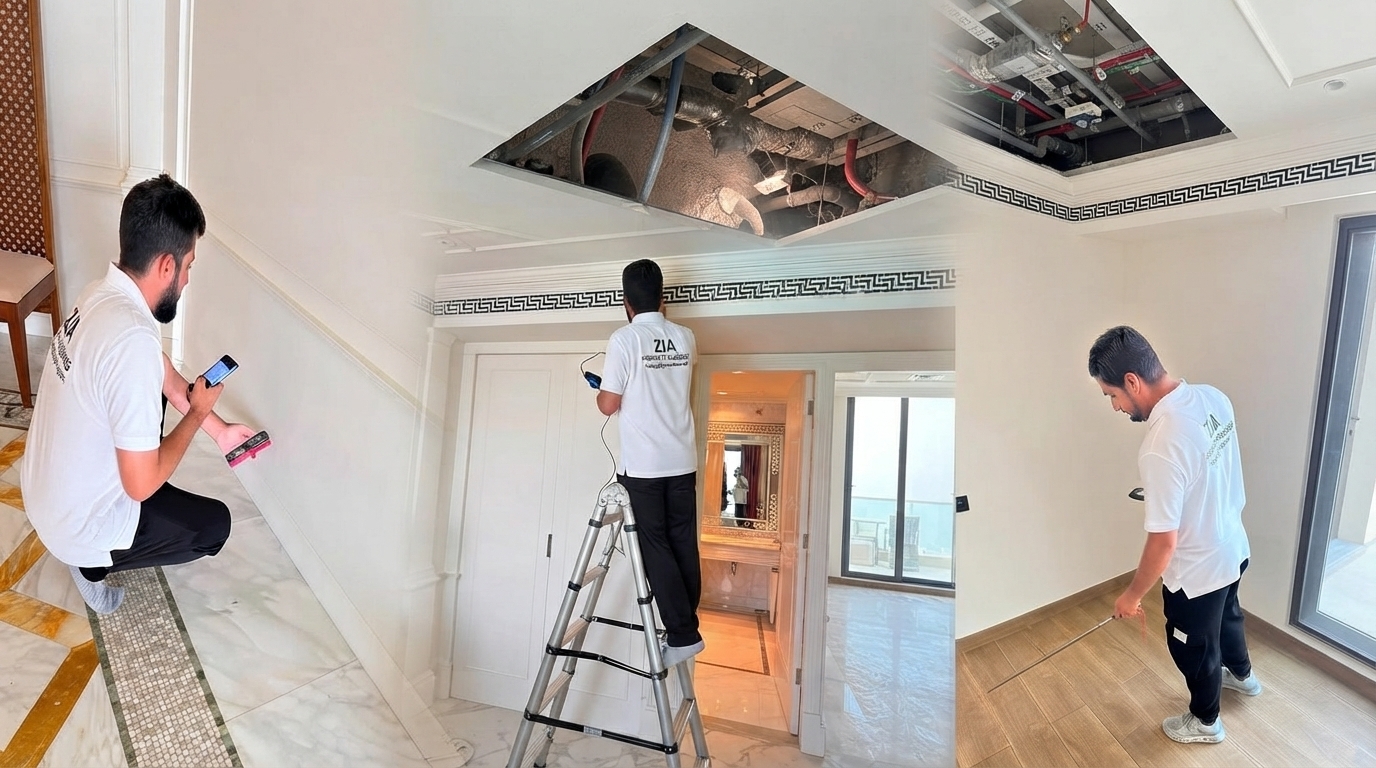
Buying, selling, or maintaining a property is a major decision, and understanding the actual condition of a building is essential before making important commitments. A property may look perfect on the surface, but hidden defects, construction problems, moisture issues, electrical concerns, or maintenance requirements can exist behind walls, ceilings, floors, and other areas.
This is where property inspection becomes valuable. A professional property inspection provides a detailed assessment of the visible condition of a property and helps identify problems that may otherwise go unnoticed. It gives homeowners, buyers, sellers, landlords, and investors a clearer understanding of the building before they make financial or maintenance decisions.
A property inspection is not simply about finding faults. It is a practical process that helps people understand the condition of a property, identify potential risks, plan maintenance, and avoid unexpected expenses. A well-conducted inspection can provide useful information about the property's structure, interior spaces, exterior elements, electrical systems, plumbing, ventilation, fixtures, and general condition.
What Is Property Inspection?
Property inspection is the professional examination of a residential or commercial property to assess its visible condition. During an inspection, a qualified inspector examines different areas of the property and looks for defects, damage, deterioration, poor workmanship, safety concerns, and signs of possible future problems.
The purpose of an inspection depends on the situation. A buyer may want to understand the condition of a property before completing a purchase, while an existing homeowner may require an inspection to identify maintenance issues. A seller may use an inspection to discover problems before listing the property, allowing them to address concerns in advance.
The inspection process normally involves visual examination, professional observations, documentation of defects, and preparation of an inspection report. The report can help the property owner or buyer understand which issues require immediate attention and which matters can be monitored or maintained over time.
Why Is Property Inspection Important?
Property inspection is important because many building problems are not immediately visible. A property can have attractive finishes and modern interiors while still having underlying issues that require attention.
An inspection helps reveal potential concerns before they become expensive problems. For example, moisture damage may begin in a concealed area and gradually affect walls, ceilings, flooring, or structural components. Similarly, electrical problems may not be obvious during normal use but could represent a safety concern.
For buyers, an inspection can provide greater confidence when making a property purchase. It allows them to understand what they are actually buying rather than relying only on appearance or information provided during a property viewing.
For homeowners, inspection can support preventive maintenance. Finding a small defect early may make it easier and less expensive to address than waiting until the issue becomes severe.
What Does a Property Inspector Check?
The exact inspection scope can vary depending on the property and the service provider, but a comprehensive property inspection generally covers major visible components of the building.
Structural Condition
The structural condition of a property is one of the most important areas to examine. An inspector may look for visible cracks, settlement signs, deterioration, movement, damaged structural elements, or other indications that may require further evaluation.
Not every crack indicates a serious structural problem. However, its location, appearance, size, progression, and surrounding conditions can help determine whether additional investigation may be appropriate.
Roof and Exterior Areas
Exterior elements can be exposed to weather conditions and natural deterioration. Inspectors may examine visible roof components, external walls, balconies, terraces, windows, doors, drainage areas, and other exterior features.
Signs of water penetration, damaged finishes, cracks, deteriorated sealants, or drainage problems can be important findings.
Interior Areas
Inside the property, inspectors typically assess walls, ceilings, floors, doors, windows, built-in elements, visible finishes, and general condition.
They may identify stains, cracks, dampness, damaged flooring, defective doors, poor finishing, or other visible defects that could affect the property's usability or appearance.
Plumbing System
Plumbing problems can lead to leaks, water damage, unpleasant odors, moisture, and costly repairs. A property inspection may include visible plumbing fixtures, accessible pipes, drainage points, water pressure observations, and signs of leakage.
An inspector may also look for evidence of previous water damage or moisture around bathrooms, kitchens, utility areas, and other plumbing locations.
Electrical System
Electrical safety is another important inspection area. Inspectors may examine accessible electrical components, outlets, switches, visible wiring, distribution boards, and other accessible elements.
The inspection can identify visible defects or concerns that may require attention from a qualified electrical professional.
Heating, Cooling, and Ventilation
Indoor comfort depends heavily on appropriate heating, cooling, and ventilation systems. An inspection can assess the visible and accessible condition of relevant equipment and identify signs of poor performance, damage, unusual operation, or inadequate maintenance.
Proper ventilation is particularly important in areas where moisture can accumulate.
Kitchens and Bathrooms
Kitchens and bathrooms contain several systems that can experience wear and damage. Inspectors may check cabinets, countertops, sinks, faucets, toilets, showers, bathtubs, visible plumbing, ventilation, tiles, sealants, and surrounding surfaces.
Water-related defects in these areas should be identified early because prolonged moisture exposure can cause significant damage.
Property Inspection for Home Buyers
A property inspection can be particularly useful when purchasing a home. Buyers often focus on location, design, size, finishes, and appearance, but the physical condition of the building can have an equally important impact on the value of the investment.
An inspection gives buyers an opportunity to understand existing defects and potential maintenance requirements before finalizing their decision.
If significant issues are identified, the buyer can make a more informed decision about whether to proceed, request appropriate repairs, consider maintenance costs, or reconsider the purchase.
A professional inspection can also help buyers prioritize issues. Some defects may require immediate attention, while others may simply need regular monitoring or future maintenance.
Property Inspection for Sellers
Property inspection can also benefit sellers. Identifying problems before putting a property on the market allows sellers to understand the condition of their property and prepare accordingly.
Addressing visible defects before marketing a property may improve its presentation and reduce unexpected concerns during the buyer's inspection process.
A seller who understands the property's condition can also communicate more confidently with potential buyers and prepare for maintenance or repair discussions.
Property Inspection for Existing Homeowners
Inspection is not only for people buying or selling property. Existing homeowners can also benefit from periodic property assessments.
Buildings naturally experience wear and deterioration. Weather, moisture, usage, aging materials, poor maintenance, and previous repairs can gradually affect different components of a property.
A professional inspection can help homeowners identify areas that need attention and develop a practical maintenance plan. Instead of waiting for a major failure, homeowners can address smaller problems before they become more complicated.
Common Problems Found During Property Inspection
Property inspections can uncover many different types of defects. Common findings may include water leakage, dampness, cracks, damaged finishes, defective doors and windows, plumbing problems, electrical concerns, poor drainage, deteriorated sealants, ventilation problems, and maintenance deficiencies.
Some properties may also show evidence of previous repairs that were completed incorrectly or without addressing the underlying cause.
Another common issue is poor workmanship. A property may appear visually acceptable while certain installations or finishes have been completed below the expected standard.
Identifying these concerns early can help property owners take appropriate action.
What Is Included in a Property Inspection Report?
A property inspection report records the inspector's observations and provides information about the condition of inspected areas.
A useful report should clearly describe identified defects, their locations, and their apparent condition. Photographs may also be included to help the property owner understand the findings.
The report can help separate routine maintenance concerns from defects that may require more urgent attention. In cases where a specialist assessment is necessary, the report may indicate that further evaluation should be considered.
The report is particularly valuable because it creates a documented overview of the property's condition at the time of inspection.
Benefits of Professional Property Inspection
Hiring a professional inspector can provide several important benefits.
Better Decision Making
An inspection provides additional information that can support property-related decisions. Buyers and owners can make choices based on the actual observed condition rather than appearance alone.
Early Problem Detection
Small defects can become larger problems when ignored. Early identification allows property owners to respond before damage becomes more extensive.
Maintenance Planning
Inspection findings can help homeowners understand which areas require maintenance and which components should be monitored.
Reduced Unexpected Costs
While an inspection cannot eliminate all future expenses, identifying existing problems can reduce the possibility of unexpected repair costs after a property transaction.
Greater Confidence
Knowing the condition of a property can provide greater confidence to buyers, sellers, homeowners, landlords, and investors.
How to Choose a Property Inspection Company
Choosing the right inspection company is important because the quality of an inspection depends heavily on the inspector's knowledge, experience, attention to detail, and reporting practices.
Look for a company that has experience with the type of property being inspected. Residential villas, apartments, commercial buildings, and newly constructed properties may have different inspection requirements.
It is also important to understand what areas and systems are included in the inspection service. Ask about the inspection scope, reporting process, accessibility limitations, and whether specialist assessments are recommended when necessary.
A professional approach should focus on clear observations rather than making unrealistic guarantees.
Property Inspection Before Buying a New Property
New properties are not automatically free from defects. Construction projects can have finishing problems, installation issues, poor workmanship, incomplete work, or defects that become noticeable after completion.
A property inspection before handover can help identify visible defects that should be addressed before the property is accepted.
This is especially useful for buyers who want to document the condition of their property and communicate outstanding concerns to the relevant parties.
Property Inspection and Preventive Maintenance
One of the most valuable uses of property inspection is preventive maintenance. Regular attention to a building can help preserve its condition and reduce deterioration.
An inspection can reveal areas where maintenance has been delayed, such as deteriorating sealants, moisture concerns, damaged finishes, drainage issues, or aging fixtures.
By addressing these issues early, homeowners can protect their investment and maintain a safer and more comfortable living environment.
Is Property Inspection Worth It?
Property inspection is generally a valuable service for anyone who wants a clearer understanding of a building's physical condition.
The cost of an inspection is usually much smaller than the potential financial impact of discovering a major defect after purchasing or occupying a property. An inspection cannot predict every future problem, but it can provide useful information about visible and accessible conditions.
For buyers, it can support informed purchasing decisions. For homeowners, it can support maintenance planning. For sellers, it can help identify issues before marketing the property.
Frequently Asked Questions About Property Inspection
What is the main purpose of property inspection?
The main purpose of property inspection is to assess the visible condition of a property and identify defects, damage, maintenance concerns, and potential issues that may require attention.
Is property inspection only for buyers?
No. Buyers, homeowners, sellers, landlords, investors, and property managers can all benefit from property inspection depending on their needs.
Can a property inspection find hidden defects?
An inspection can identify signs that may indicate hidden problems, but inspectors generally cannot see through walls or other inaccessible areas. Further specialist investigation may be required when hidden damage is suspected.
Should a new property be inspected?
Yes. New properties can still have construction defects, finishing problems, installation issues, or incomplete work. Inspection can help identify concerns before handover.
What happens after a property inspection?
After the inspection, the owner or buyer receives information about the observed condition and identified defects. The findings can then be used to plan repairs, maintenance, further investigation, or property-related decisions.
Does property inspection guarantee that there will be no future problems?
No. An inspection provides an assessment of observable conditions at the time of inspection. Building components can deteriorate or develop problems later, so regular maintenance remains important.
How long does a property inspection take?
The duration depends on the property's size, condition, accessibility, and inspection scope. Larger or more complex properties generally require more time for a thorough assessment.
What should I do if serious defects are found?
Serious defects should be reviewed carefully and, where appropriate, assessed by a qualified specialist. The inspection findings can help determine the next steps for repair, further investigation, or negotiation.
Conclusion
Property inspection is an important part of responsible property ownership, purchasing, selling, and maintenance. A property can look attractive while still containing defects that may create safety concerns, repair expenses, or long-term maintenance challenges.
A professional inspection provides a clearer picture of the property's visible condition and helps identify areas that require attention. It can support better decisions, improve maintenance planning, and reduce the risk of unexpected problems.
- Goth Lifestyle
- Fashion & Style
- Music & Bands
- Art & Photography
- Creative Writing & Poetry
- Events & Scene
- Occult & Spirituality
- DIY & Tutorials
- Beauty & Self-Care
- Relationships & Dating
- Gaming & Media
- Tech & Gadgets
- Body Art & Piercings
- Underground Culture
- Spotlights & Interviews
- Travel & Places
- Lifestyle & Daily Life
- Fitness & Health
- Travel & Adventure
- Books & Literature
- Tech & Gaming
- Movies & TV
- Food & Drinks
- Humor & Memes
- Pets & Animals
- General Arts & Crafts

 English
 Arabic
 French
 Spanish
 Deutsch
 Turkish
 Dutch
Dutch
 Italiano
 Russian
 Romaian
 Portuguese (Brazil)
 Greek
Greek