


Practical Ways to Keep Rodents Out of Your Home
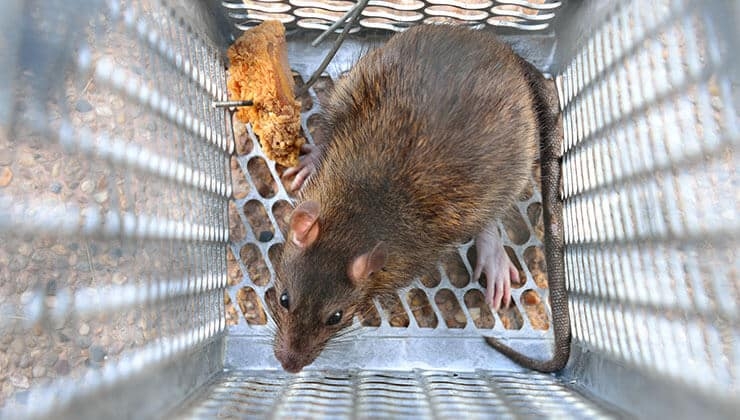
Rodents can become a persistent household problem when they find easy access to food, water, shelter, and warm nesting areas. Mice and rats may enter through surprisingly small openings and can leave droppings, gnaw marks, unpleasant odors, and contaminated materials behind. Early detection and a consistent prevention strategy can help homeowners protect their property and reduce the possibility of a larger infestation.
Recognizing Common Warning Signs
You may notice evidence of rodents before actually seeing one. Droppings around cabinets, pantries, appliances, basements, or other secluded areas can indicate activity. Gnaw marks on food packages, wood, insulation, or other materials may provide another clue.
Scratching sounds inside walls or ceilings, unusual odors, and nesting materials can also suggest that rodents have established themselves nearby. The CDC identifies droppings and gnaw marks as common signs of rodent presence.
Finding Possible Entry Points
Rodents can enter through very small openings. The CDC notes that mice can fit through holes approximately one-quarter inch in diameter, making even seemingly minor gaps worth addressing.
Homeowners should inspect areas around doors, windows, pipes, vents, foundations, utility lines, garages, attics, crawl spaces, and roof openings. Paying attention to these locations can help identify where rodents may be gaining access.
Protecting Food and Water
Food availability can encourage rodents to remain around a property. Pantry items, pet food, garbage, birdseed, and outdoor food sources should be stored appropriately.
The CDC recommends keeping food in thick plastic, glass, or metal containers with tight-fitting lids and cleaning spills promptly. Pet food and water should also be put away when they are no longer needed.
Sealing the Property
Pest Control for Rodents Fort Wayne IN can involve more than removing rodents that are already inside. Preventing additional animals from entering is an important part of long-term management.
Small openings can be sealed with suitable materials, while larger gaps may require metal hardware cloth, cement, metal sheeting, or another appropriate barrier. The correct repair depends on the location and size of the opening.
Reducing Outdoor Shelter
The area surrounding a home can influence rodent activity indoors. Brush, clutter, stacked materials, dense vegetation, unsecured garbage, and accessible food can provide shelter or attract rodents toward the property.
Keeping outdoor areas organized and reducing potential nesting locations can make the surroundings less attractive. The CDC recommends maintaining clean areas around homes and keeping potential food and shelter sources away from buildings.
Using Traps Carefully
When rodents are already present, trapping can help reduce activity. Traps should be positioned where signs of rodent movement have been observed and kept away from children and pets.
The CDC recommends traditional snap traps for reducing rodent populations around homes and advises following product instructions carefully. If trapping does not resolve the problem or signs continue, professional assistance may be appropriate.
Avoiding Unsafe Cleanup
Rodent droppings, urine, nesting materials, and contaminated surfaces should be handled carefully. Sweeping or vacuuming contaminated material can potentially disturb particles and increase exposure.
Homeowners should follow appropriate public-health guidance when cleaning areas affected by rodents. For extensive contamination or inaccessible areas, professional assistance can provide a safer approach.
Knowing When Professional Help Is Needed
A few signs of activity do not always reveal how extensive a rodent problem has become. Rodents may travel through wall cavities, attics, crawl spaces, or other hidden areas that are difficult to inspect.
Professional Residential Pest Control Services can evaluate the property, identify potential entry points, address active rodent activity, and recommend measures to reduce future problems. Persistent infestations are particularly suitable for professional evaluation rather than repeated temporary solutions.
Protecting the Home Long Term
Effective rodent management should address both current activity and the conditions that allowed rodents to enter. Simply removing visible animals without correcting accessible entry points may allow new rodents to occupy the same areas.
A combination of exclusion, sanitation, food management, outdoor maintenance, and appropriate monitoring can create a stronger prevention strategy. Regularly checking the property can also help homeowners discover new openings before they become significant problems.
Creating a Rodent-Resistant Property
Keeping rodents away requires consistent attention to the home's structure and surroundings. Sealing gaps, protecting food, reducing outdoor shelter, monitoring warning signs, and responding promptly to activity can all contribute to better prevention.
When rodent activity becomes persistent or difficult to control, professional evaluation can help identify the underlying causes and provide a more organized solution. A proactive approach can protect the property while supporting a cleaner and more comfortable living environment.
- Goth Lifestyle
- Fashion & Style
- Music & Bands
- Art & Photography
- Creative Writing & Poetry
- Events & Scene
- Occult & Spirituality
- DIY & Tutorials
- Beauty & Self-Care
- Relationships & Dating
- Gaming & Media
- Tech & Gadgets
- Body Art & Piercings
- Underground Culture
- Spotlights & Interviews
- Travel & Places
- Lifestyle & Daily Life
- Fitness & Health
- Travel & Adventure
- Books & Literature
- Tech & Gaming
- Movies & TV
- Food & Drinks
- Humor & Memes
- Pets & Animals
- General Arts & Crafts
 English
 Arabic
 French
 Spanish
 Portuguese
 Deutsch
 Turkish
 Dutch
Dutch
 Italiano
 Russian
 Romaian
 Portuguese (Brazil)
 Greek
Greek