


What Can a Rideshare Accident Lawyer Do for Your Injury Claim?
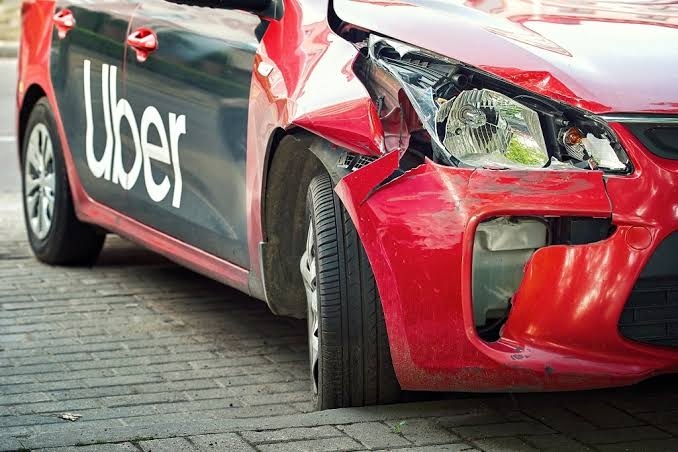
A rideshare accident can leave you dealing with physical injuries, medical expenses, lost income, vehicle damage, and uncertainty about who should pay for your losses. Unlike a typical car accident, a crash involving Uber, Lyft, or another rideshare service can involve multiple insurance policies and different levels of coverage. Determining which policy applies and proving the value of your claim can become complicated quickly.
A Rideshare Accident Lawyer can help injured passengers, drivers, pedestrians, cyclists, and other affected individuals understand their legal options and pursue compensation. From investigating the crash to negotiating with insurance companies, legal assistance can make the claims process more organized and effective.
Understanding Rideshare Accident Claims
Rideshare accidents are different from ordinary motor vehicle collisions because the driver's status at the time of the crash can affect available insurance coverage. A rideshare driver may be using a personal vehicle while logged into a transportation platform, waiting for a ride request, traveling to pick up a passenger, or actively transporting someone.
Each situation can involve different insurance considerations. The driver's personal auto insurance, rideshare company's commercial coverage, and other applicable policies may all need to be examined.
An injury claim may also involve several potentially responsible parties. These can include the rideshare driver, another motorist, a vehicle owner, an employer, or another party whose actions contributed to the collision.
Investigating How the Accident Happened
One of the most important parts of an injury claim is establishing what caused the accident. Insurance companies may dispute responsibility or argue that their policy does not provide coverage for a particular situation.
A lawyer can conduct an investigation to establish the facts surrounding the collision. This may involve:
-
Reviewing police accident reports
-
Examining photographs and videos
-
Collecting witness statements
-
Reviewing medical records
-
Examining vehicle damage
-
Investigating road and weather conditions
-
Reviewing available rideshare trip information
-
Identifying applicable insurance policies
-
Consulting accident reconstruction professionals when appropriate
Evidence can become harder to obtain as time passes. Witnesses may forget important details, surveillance recordings can be overwritten, and physical evidence may be lost. Prompt investigation can therefore be important when building a strong claim.
Identifying the Applicable Insurance Coverage
Insurance coverage is often one of the most complicated aspects of rideshare accident cases. The amount and type of available coverage can depend on what the rideshare driver was doing when the crash occurred.
For example, coverage may differ when a driver is offline compared with when the driver is logged into a rideshare application and waiting for a request. Different coverage may apply when the driver has accepted a trip or is transporting a passenger.
A legal professional can examine the driver's status, applicable policies, and circumstances of the collision to determine which insurance companies may be responsible for addressing the claim.
This can prevent an injured person from relying on assumptions about coverage and help identify all potentially available sources of compensation.
Establishing Liability for the Crash
Before compensation can generally be recovered, there must be evidence showing who was responsible for the accident. Liability may be straightforward in some collisions, but disputed accidents can require a more detailed review.
A legal representative can analyze evidence to determine whether the rideshare driver, another motorist, or multiple parties contributed to the collision. Factors such as speeding, distracted driving, unsafe lane changes, failure to yield, impaired driving, or other negligent conduct may be relevant.
If several parties share responsibility, determining how their actions contributed to the accident can also affect the potential recovery.
Calculating the Full Value of Your Injury Claim
An insurance settlement should account for more than immediate medical bills. Serious injuries can create financial and personal consequences that continue for months or years.
Potential damages may include:
Medical Expenses
Compensation may cover reasonable medical expenses associated with accident-related injuries. Depending on the circumstances, this can include emergency treatment, hospital care, physician visits, medication, physical therapy, rehabilitation, and future medical treatment.
Lost Wages and Earning Capacity
If injuries prevent you from working, you may experience lost income. A serious injury can also affect your ability to perform your previous job or earn the same income in the future.
Pain and Emotional Distress
Physical pain, emotional suffering, anxiety, reduced quality of life, and other non-economic consequences may also be relevant to an injury claim, depending on applicable law.
Property Damage
If your vehicle, bicycle, personal belongings, or other property was damaged in the crash, those losses may also be considered separately from injury-related damages.
Accurately documenting these losses helps create a clearer picture of how the accident affected your life.
Handling Communications With Insurance Companies
Insurance adjusters may request statements, medical information, documentation, or other evidence while evaluating a claim. Although these requests may appear routine, statements can sometimes be interpreted in ways that minimize the value of an injury claim.
Having legal representation can allow an injured person to direct claim-related communications through their attorney. A lawyer can review documents, respond to insurers, challenge unfair arguments, and help prevent avoidable mistakes during negotiations.
The goal is not simply to submit a claim but to present evidence supporting liability, coverage, injuries, and financial losses.
Negotiating a Fair Settlement
Many personal injury claims are resolved through settlement negotiations rather than a trial. Insurance companies may make an initial offer that does not fully reflect an injured person's losses.
An attorney can evaluate the offer against the available evidence and negotiate for a more appropriate amount when the circumstances support additional compensation.
Effective negotiation may involve presenting medical documentation, employment records, accident evidence, expert opinions, and calculations of economic and non-economic damages.
If negotiations do not produce a satisfactory result, a lawyer can also explain whether filing a lawsuit is appropriate and what that process may involve.
Protecting Your Legal Rights and Deadlines
Personal injury claims are subject to legal deadlines, which vary by state and by the type of claim involved. Missing an applicable deadline can potentially prevent an injured person from pursuing compensation through the courts.
A lawyer can identify relevant deadlines and help ensure that necessary legal steps are taken within the required period. This is particularly important when insurance issues, multiple responsible parties, or serious injuries make a claim more complicated.
Building a Stronger Evidence-Based Claim
A successful injury claim depends heavily on evidence. Medical records can establish the nature of injuries, while accident reports and photographs can help demonstrate how the collision occurred.
Additional evidence may include:
-
Receipts and medical bills
-
Pay stubs and employment records
-
Expert medical opinions
-
Witness testimony
-
Vehicle inspection reports
-
Accident reconstruction evidence
-
Photographs of injuries and property damage
-
Relevant rideshare records
Organizing this information allows the claim to be presented in a clear and persuasive manner.
When Should You Seek Legal Help?
There is no single rule for every accident, but legal guidance may be particularly valuable when injuries are serious, liability is disputed, multiple vehicles are involved, or insurance companies disagree about coverage.
You may also want professional assistance if your injuries require ongoing treatment, your ability to work has been affected, or an insurer offers a settlement that does not appear to cover your losses.
Seeking advice early can help preserve important evidence and provide a clearer understanding of the available options.
Frequently Asked Questions
1. Why are rideshare accident claims complicated?
They can involve multiple insurance policies and different coverage rules depending on the rideshare driver's status when the collision occurred. Determining which policy applies may require reviewing the accident circumstances and available insurance information.
2. Can I seek compensation if I was a rideshare passenger?
Potentially, yes. An injured passenger may have a claim depending on who caused the accident, the driver's rideshare status, applicable insurance coverage, and the nature of the injuries and losses involved.
3. What evidence should I keep after a rideshare crash?
Keep medical records, bills, photographs, accident reports, insurance communications, employment records, witness information, and other documents connected to the collision. Do not discard evidence that may help establish your injuries or losses.
4. Should I accept an insurance settlement immediately?
It is generally wise to understand the full extent of your injuries and losses before accepting a settlement. Once an agreement is finalized, it may limit your ability to seek additional compensation later.
5. How can a lawyer help with insurance disputes?
A lawyer can investigate the accident, identify potentially applicable policies, communicate with insurers, gather supporting evidence, calculate damages, negotiate a settlement, and explain potential legal action when an insurance dispute cannot be resolved.
- Goth Lifestyle
- Fashion & Style
- Music & Bands
- Art & Photography
- Creative Writing & Poetry
- Events & Scene
- Occult & Spirituality
- DIY & Tutorials
- Beauty & Self-Care
- Relationships & Dating
- Gaming & Media
- Tech & Gadgets
- Body Art & Piercings
- Underground Culture
- Spotlights & Interviews
- Travel & Places
- Lifestyle & Daily Life
- Fitness & Health
- Travel & Adventure
- Books & Literature
- Tech & Gaming
- Movies & TV
- Food & Drinks
- Humor & Memes
- Pets & Animals
- General Arts & Crafts
 English
 Arabic
 French
 Spanish
 Portuguese
 Deutsch
 Turkish
 Dutch
Dutch
 Italiano
 Russian
 Romaian
 Portuguese (Brazil)
 Greek
Greek