


What Is an Insulation Scheme?
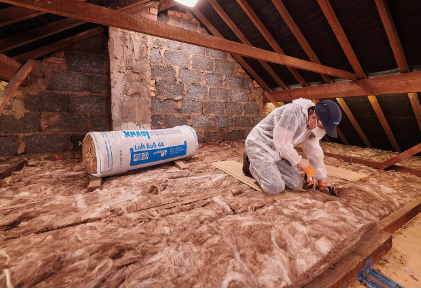
What Is an Insulation Scheme? If you are looking for ways to reduce your energy bills, improve home comfort, and increase energy efficiency, understanding insulation schemes is an important first step. Many UK households can benefit from government-backed support, including free cavity wall insulation and other energy-saving improvements designed to make homes warmer and more affordable to heat.
An insulation scheme is a funding programme that helps eligible homeowners, tenants, and landlords install insulation measures at reduced costs or, in some cases, completely free of charge. These schemes play a vital role in improving the energy performance of properties while supporting the UK's environmental goals.
Whether you are interested in loft insulation, cavity wall insulation, or external wall insulation, understanding how these schemes work can help you make informed decisions about your property and potentially save hundreds of pounds each year on energy costs.
Table of Contents
- What Is an Insulation Scheme?
- Why Insulation Schemes Matter
- Types of Insulation Covered by Insulation Schemes
- How Government Insulation Schemes Work
- Who Can Qualify for an Insulation Scheme?
- Benefits of Joining an Insulation Scheme
- Understanding the ECO4 Insulation Scheme
- How to Apply for an Insulation Scheme
- Common Questions About Insulation Schemes
- Conclusion
What Is an Insulation Scheme?
An insulation scheme is a government-supported or energy-company-funded programme that helps households improve their home's energy efficiency through insulation upgrades.
The primary purpose of an insulation scheme is to reduce heat loss from properties. Many UK homes lose significant amounts of heat through walls, roofs, floors, and poorly insulated spaces. By installing suitable insulation materials, homeowners can retain heat more effectively and reduce their dependence on expensive heating systems.
Most insulation schemes focus on improving:
- Loft insulation
- Cavity wall insulation
- Internal wall insulation
- External wall insulation
- Floor insulation
- Roof insulation
These improvements contribute to lower energy consumption, reduced carbon emissions, and more comfortable living environments.
Why Insulation Schemes Matter
Energy costs remain a significant concern for many households. A well-insulated home requires less energy to maintain comfortable indoor temperatures, helping residents save money throughout the year.
Reducing Heat Loss
One of the main objectives of an insulation scheme is reducing unnecessary heat loss. Without adequate insulation, valuable heat escapes through walls and roofs, forcing heating systems to work harder.
Lowering Energy Bills
Proper insulation can significantly reduce monthly energy expenses. Homes that receive insulation upgrades often experience noticeable savings on heating costs.
Improving Home Comfort
Insulated properties maintain more consistent indoor temperatures, reducing cold spots and creating a more comfortable living environment during winter months.
Supporting Environmental Goals
Reducing energy consumption also lowers carbon emissions, helping support national sustainability and climate objectives.
Types of Insulation Covered by Insulation Schemes
Different properties require different insulation solutions. Most insulation schemes cover a range of approved energy-efficiency measures.
Cavity Wall Insulation
Cavity wall insulation is one of the most common improvements available through insulation schemes.
Properties built with cavity walls contain a gap between two layers of brickwork. Insulation material is injected into this space, helping prevent heat from escaping.
Benefits include:
- Improved energy efficiency
- Reduced heating costs
- Increased comfort
- Quick installation process
Many eligible households may qualify for free cavity wall insulation through government-funded programmes.
Loft Insulation
Heat naturally rises, making roof spaces one of the biggest sources of heat loss in a home.
Loft insulation creates a protective barrier that helps retain warmth inside the property.
Advantages include:
- Lower energy bills
- Improved thermal performance
- Long-term savings
- Increased property efficiency
Internal Wall Insulation
Properties with solid walls often benefit from internal wall insulation.
This method involves installing insulation materials on interior wall surfaces to improve heat retention.
External Wall Insulation
External wall insulation adds a protective insulated layer to the outside of a property.
This solution can improve appearance while enhancing thermal performance and weather protection.
Floor Insulation
Floor insulation helps prevent heat loss through ground-level surfaces.
It can be particularly beneficial for older properties with suspended timber floors.
How Government Insulation Schemes Work
Government insulation schemes are designed to improve energy efficiency standards across the UK housing sector.
Funding is typically provided through energy-efficiency initiatives that encourage suppliers and installers to help eligible households upgrade their properties.
Property Assessment
The process usually begins with a property assessment.
During the assessment, specialists evaluate:
- Current insulation levels
- Property type
- Energy performance
- Eligibility requirements
Recommendation of Suitable Measures
Following the assessment, appropriate insulation improvements are recommended based on the property's specific needs.
Installation Process
Qualified installers carry out the approved work in accordance with industry standards and regulatory requirements.
Who Can Qualify for an Insulation Scheme?
Eligibility requirements vary depending on the specific programme and funding criteria.
Homeowners
Many homeowners qualify for insulation support based on income, benefits, or property energy ratings.
Private Tenants
Some private tenants may also be eligible, subject to landlord approval.
Social Housing Residents
Certain social housing properties can access insulation funding if they meet scheme requirements.
Low-Income Households
Insulation schemes often prioritise households experiencing fuel poverty or financial hardship.
Common eligibility factors may include:
- Receipt of qualifying benefits
- Low household income
- Poor energy efficiency rating
- High energy costs
Understanding the ECO4 Insulation Scheme
The ECO4 scheme is one of the UK's most significant energy-efficiency programmes.
Designed to support vulnerable and low-income households, ECO4 helps fund a range of home improvements, including insulation measures.
What Does ECO4 Cover?
The scheme may support:
- Loft insulation
- Cavity wall insulation
- Solid wall insulation
- Heating upgrades
- Energy-saving improvements
Why ECO4 Matters
The programme aims to improve living conditions while reducing household energy costs and environmental impact.
For many eligible households, ECO4 provides access to improvements that would otherwise be difficult to afford.
Benefits of Joining an Insulation Scheme
Participating in an insulation scheme offers numerous advantages.
Reduced Energy Bills
Better insulation means less energy is required to heat a property effectively.
Improved Energy Efficiency
Properties with upgraded insulation generally achieve better energy performance ratings.
Increased Property Value
Energy-efficient homes are often more attractive to buyers and tenants.
Enhanced Comfort
Improved insulation helps maintain comfortable temperatures throughout the year.
Environmental Benefits
Reduced energy usage contributes to lower carbon emissions and supports sustainability goals.
How to Apply for an Insulation Scheme
Applying for an insulation scheme is typically a straightforward process.
Step 1: Check Eligibility
Review current programme requirements to determine whether your household qualifies.
Step 2: Request an Assessment
Arrange a professional survey to assess your property's insulation needs.
Step 3: Receive Recommendations
Following the survey, specialists will recommend suitable insulation measures.
Step 4: Schedule Installation
Approved improvements can then be installed by qualified professionals.
Step 5: Enjoy Long-Term Savings
Once completed, homeowners can begin benefiting from improved efficiency and reduced energy costs.
Common Questions About What Is an Insulation Scheme
Is an insulation scheme really free?
Some households qualify for fully funded insulation measures, while others may receive partial funding depending on eligibility.
How long does insulation installation take?
Most installations can be completed within a few hours to a few days, depending on the type of insulation.
Can landlords apply?
Yes. Many schemes allow landlords to apply on behalf of eligible tenants.
Will insulation reduce energy bills?
Yes. Proper insulation helps retain heat, reducing the amount of energy required to maintain comfortable temperatures.
Is cavity wall insulation worth it?
For suitable properties, cavity wall insulation can provide substantial long-term energy savings and comfort improvements.
Conclusion
Understanding What Is an Insulation Scheme is essential for homeowners and tenants seeking to improve energy efficiency and reduce household heating costs. These government-backed initiatives provide valuable support for installing loft insulation, cavity wall insulation, external wall insulation, and other energy-saving measures.
Whether you are exploring free cavity wall insulation opportunities or looking to improve your property's overall energy performance, an insulation scheme can offer significant financial and environmental benefits. By taking advantage of available funding programmes, households can create warmer, more efficient homes while enjoying long-term savings on energy bills.
Working with trusted insulation specialists ensures that installations meet industry standards and deliver lasting results. Choosing professional energy-efficiency solutions today can lead to a more comfortable and cost-effective future.
- Goth Lifestyle
- Fashion & Style
- Music & Bands
- Art & Photography
- Creative Writing & Poetry
- Events & Scene
- Occult & Spirituality
- DIY & Tutorials
- Beauty & Self-Care
- Relationships & Dating
- Gaming & Media
- Tech & Gadgets
- Body Art & Piercings
- Underground Culture
- Spotlights & Interviews
- Travel & Places
- Lifestyle & Daily Life
- Fitness & Health
- Travel & Adventure
- Books & Literature
- Tech & Gaming
- Movies & TV
- Food & Drinks
- Humor & Memes
- Pets & Animals
- General Arts & Crafts
 English
 Arabic
 French
 Spanish
 Portuguese
 Deutsch
 Turkish
 Dutch
Dutch
 Italiano
 Russian
 Romaian
 Portuguese (Brazil)
 Greek
Greek