


The Art of Facial Rejuvenation: Why Specialized Nursing Care for Facelift Recovery is Paramount
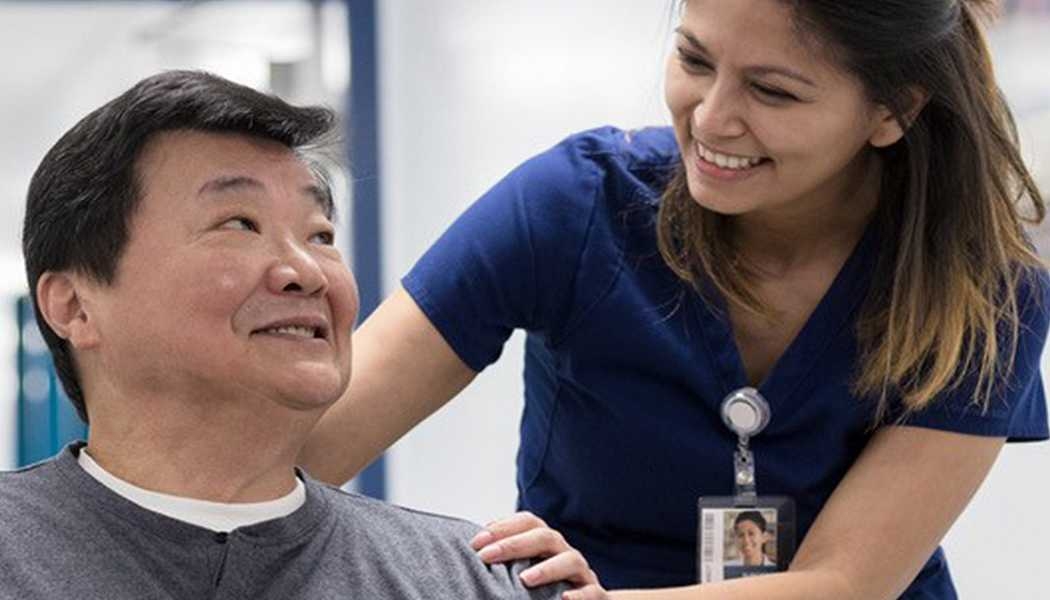
A rhytidectomy, or facelift, remains the gold standard for reversing the visible signs of facial aging. Modern surgical techniques—such as the deep plane facelift, SMAS facelift, and extended neck lift—do not merely stretch the skin; they meticulously reposition deep muscular structures, elevate fat pads, and drape the skin flawlessly to restore a youthful, natural jawline and midface silhouette.
Because the face is the central canvas of your identity, deciding to undergo a facelift is a deeply personal and emotional investment. However, the journey to a beautifully refreshed and youthful appearance does not end when you leave the operating room.
The face is incredibly vascular and highly sensitive. The initial days following facial surgery require a level of clinical precision, vigilant monitoring, and meticulous wound management that goes far beyond standard home care.
While outpatient surgical centers ensure you are stable before discharge, the critical healing window unfolds in your private living space. Securing professional nursing care for facelift recovery has become a vital strategic component of a modern surgical plan, transforming a highly vulnerable healing period into a safe, comfortable, and optimized recovery journey.
The Clinical Vulnerabilities of Early Facelift Recovery
The first 24 to 72 hours following a facelift are critical for both your physical safety and your ultimate aesthetic results. As the powerful local anesthetics and deep sedation fade, patients are faced with structural changes and swelling that require expert clinical management.
1. The Critical Threat of Hematoma
The single most serious immediate complication following a facelift is a hematoma—a collection of blood that pools beneath the skin flap. Because the face is rich in blood vessels, a sudden spike in blood pressure (hypertension), an accidental cough, or straining can cause a tiny vessel to open.
If a hematoma begins to develop, it puts pressure on the delicate skin edges, potentially cutting off oxygen supply to the tissue and causing skin flap compromise or necrosis. A trained nurse monitors facial symmetry, firmness, and pain levels continuously. They can recognize the micro-indicators of an impending hematoma hours before a layperson would, allowing for immediate communication with your surgeon to prevent an emergency situation.
2. Blood Pressure Stabilization and Nausea Control
Maintaining a stable, low-to-normal blood pressure is absolutely paramount during the first few days of facelift recovery. A sharp increase in blood pressure directly correlates with increased bruising, swelling, and bleeding risks.
Managing pain and anesthesia-induced nausea is a delicate clinical balancing act. Retching or vomiting from post-op nausea instantly spikes pressure in the head and neck vessels, which can compromise internal sutures. A private nurse manages your medication schedule proactively, administering antiemetics and pain relievers precisely to prevent "breakout pain" or sudden bouts of nausea.
3. Precision Wound Care Around Delicate Sutures
Facelift incisions are intricately placed around the natural contours of the ear, extending into the hairline and sometimes under the chin. These incisions must be kept impeccably clean and free of crusting, which can trap bacteria and widen scars.
A specialized nurse understands how to perform aseptic dressing changes, apply prescribed antibiotic ointments without disrupting delicate stitches, and monitor the capillary refill of your skin flaps to ensure healthy, robust blood circulation.
Why Family Caregivers Often Face Emotional and Physical Strain
While a spouse, partner, or adult child offers invaluable emotional comfort, asking them to act as your primary medical provider after facial surgery can introduce severe anxiety.
-
The Visual Shock: Immediately after a facelift, the face is naturally bruised, asymmetric, and significantly swollen. For a loved one, seeing a family member looking temporarily unrecognizable can be deeply alarming, causing panic or hesitation when implementing care protocols.
-
Squeamishness Around the Head and Ears: Managing specialized facial wraps, checking surgical drains placed behind the ears, and cleaning fresh blood from intricate suture lines require a calm, steady hand and a clinical mindset that family members rarely possess.
-
The Fear of Doing Harm: Loved ones are often terrified of touching the face or neck incorrectly, which can lead to undermedicating, inadequate wound cleaning, or improper positioning out of an abundance of caution.
By placing your early recovery in the hands of a qualified private duty nurse, your family can step back into their rightful role of providing purely emotional comfort and quiet companionship.
Key Pillars of Professional Facelift Recovery Support
Hiring a private nurse for your facial rejuvenation journey ensures that every element of your healing environment is clinically optimized for a beautiful result.
Strategic Elevation and Positioning
Swelling is the natural enemy of early facelift results, as it stretches tissues and puts tension on incision lines. To minimize this, patients must remain strictly elevated at a 30-to-45-degree angle, even while sleeping, and must avoid turning their head from side to side, which pulls on delicate neck sutures. A nurse optimizes your resting space using specialized wedge pillows, ensures your head remains completely midline, and assists you with safe transfer techniques when standing or using the restroom.
Cold Therapy Management
Surgeons frequently recommend the application of cool compresses or specialized Swiss therapy eye masks during the first 48 hours to constrict blood vessels and control swelling. However, because facial skin is temporarily numb from the surgical undermining of nerves, patients cannot accurately feel temperature. A nurse ensures that compresses are the exact therapeutic temperature—never too cold, which could cause frostbite or tissue damage to numb skin, and never left on too long.
Support for the "Post-Op Blues"
The psychological impact of a facelift is unique compared to body contouring procedures. When you look in the mirror during the first week, the bruising and distorted swelling can trigger a wave of temporary regret, anxiety, or mild depression.
Having an experienced nurse at your bedside provides immense psychological comfort. They offer clear, objective, and expert reassurance, explaining exactly what stage of healing your tissues are in and reminding you that the swelling is normal and temporary. This peace of mind significantly reduces stress hormones, which directly fosters a more rapid physical recovery.
Connecting with Premium Recovery Specialists
When selecting home health care for a facelift, it is vital to secure a provider who specializes specifically in aesthetic and plastic surgery recovery. The highly precise protocols of checking facial nerve function, evaluating skin flap perfusion, and managing complex cosmetic head wraps require a specialized clinical skillset that general home health nurses do not routinely practice.
For individuals seeking premium, professional clinical guidance tailored exclusively to the intricate demands of facial surgical healing, utilizing a dedicated directory like the Plastic Surgery Nurse platform helps patients connect seamlessly with qualified private duty clinical professionals who specialize in cosmetic post-operative care. Securing an expert who understands your surgeon’s exact protocols provides the ultimate safety net, ensuring your investment is completely protected.
Questions to Ask Your Recovery Nurse Prior to Surgery
To ensure a seamless partnership with your post-op nurse, consider discussing these key operational and clinical questions ahead of your procedure date:
-
What is your specific clinical background with facial surgery? You want a nurse who has direct experience recovering patients from deep plane facelifts or neck lifts, as they will be deeply familiar with checking facial nerve symmetry and monitoring delicate jawline skin flaps.
-
How do you manage documentation and surgeon updates? A great private nurse acts as an extension of your surgeon’s office, meticulously logging vital signs, pain medication intervals, and drain outputs so that a comprehensive report is ready for your first post-op follow-up.
-
What shift lengths do you recommend for a facelift? Most facial surgery patients benefit immensely from continuous, 24-hour private nursing care for the first 24 to 48 hours post-discharge, as this represents the highest risk window for hematomas and blood pressure fluctuations.
-
Do you assist with the transition from the surgical center? Clarify if the nurse will meet you in the recovery room, receive the direct clinical handover report from the surgical center staff, transport you safely to your home or hotel room, and fully set up your sterile recovery environment.
Setting Up Your Facial Recovery Oasis
In tandem with securing professional nursing care, preparing your physical environment before your surgery date minimizes stress and promotes seamless healing:
-
The Elevation Station: Arrange a high-quality wedge pillow system or line up a comfortable power recliner that keeps your upper body upright. Place a U-shaped travel neck pillow nearby to help keep your head locked in a straight, forward-facing position during rest.
-
Gentle Nutrition and Hydration: Because your jaw and neck muscles will be tight and sore, chewing will be difficult during the first few days. Stock your kitchen with high-protein, low-sodium liquids and soft foods, such as smoothies, bone broths, and pureed soups. Keeping sodium low is critical to prevent your facial tissues from retaining excess water.
-
Easy-Access Clothing: Ensure you have several loose, front-zippered or button-down shirts and robes. You must absolutely avoid pulling any clothing over your head, as doing so can catch on your ears or pull violently against fresh facial incisions.
Conclusion
A facelift is a profound investment in your self-confidence, vitality, and long-term well-being. However, the final masterpiece of a facial rejuvenation procedure is not fully completed in the operating theatre; it is carefully preserved, shaped, and nurtured during the critical weeks of recovery that follow.
Hiring a dedicated nurse for post-op care removes the guesswork, physical strain, and intense anxiety from the healing equation. By placing your recovery in the hands of a clinical expert, you safeguard your health, minimize the risk of complications, and ensure a smooth, tranquil, and beautiful transition into your refreshed silhouette.
- Goth Lifestyle
- Fashion & Style
- Music & Bands
- Art & Photography
- Creative Writing & Poetry
- Events & Scene
- Occult & Spirituality
- DIY & Tutorials
- Beauty & Self-Care
- Relationships & Dating
- Gaming & Media
- Tech & Gadgets
- Body Art & Piercings
- Underground Culture
- Spotlights & Interviews
- Travel & Places
- Lifestyle & Daily Life
- Fitness & Health
- Travel & Adventure
- Books & Literature
- Tech & Gaming
- Movies & TV
- Food & Drinks
- Humor & Memes
- Pets & Animals
- General Arts & Crafts

 English
 Arabic
 French
 Spanish
 Portuguese
 Deutsch
 Turkish
 Dutch
Dutch
 Russian
 Romaian
 Portuguese (Brazil)
 Greek
Greek