


Web Analytics
  • Stonewall Jackson trusted very few men. He demanded absolute discipline, unquestioning obedience, and relentless aggression. But there was one general whose brilliance he admired—and whose behavior he could never fully forgive. Their partnership helped win battles, yet their personal relationship remained one of the Confederacy’s most complicated rivalries.


    Time Period: 1862–1863
    Conflict: American Civil War
    Key Figures: Stonewall Jackson and A.P. Hill


    The image portrays two of the Confederacy's most famous commanders: Lieutenant General Thomas “Stonewall” Jackson and Major General Ambrose Powell (A.P.) Hill. Together they helped create some of the most remarkable Confederate victories of the Civil War. Yet behind the battlefield success lay a relationship filled with tension, arguments, and lingering resentment.


    When the Civil War intensified in 1862, A.P. Hill emerged as one of the Confederacy's most talented combat commanders. Leading his famous Light Division, Hill developed a reputation for aggressive attacks, rapid movement, and personal courage under fire.


    Stonewall Jackson immediately recognized Hill's military ability.


    In battle, Hill was often exactly the type of commander Jackson needed. He moved quickly, fought aggressively, and inspired his troops. During the Shenandoah Valley Campaign of 1862, Jackson's lightning-fast victories depended heavily on officers capable of executing difficult orders under extreme pressure.


    However, the two men possessed very different personalities.


    Jackson was intensely private, deeply religious, and demanded strict obedience from subordinates. Orders were expected to be followed without question. Hill, by contrast, was independent, outspoken, and often challenged decisions he believed were mistaken.


    Their disagreements soon became legendary.


    Throughout the Valley Campaign, Jackson and Hill repeatedly argued over marching orders, troop movements, and battlefield decisions. On several occasions Jackson accused Hill of moving too slowly or failing to carry out instructions precisely as ordered. Hill, meanwhile, believed Jackson sometimes issued vague or impractical commands.


    The tension reached a breaking point during the Seven Days Battles outside Richmond in June 1862.


    During one heated dispute, Jackson became so frustrated that he temporarily placed Hill under arrest. Although the arrest did not last long, it revealed just how strained their relationship had become. Few Confederate officers could imagine openly clashing with the feared Stonewall Jackson, yet Hill repeatedly did so.


    Despite these personal conflicts, Jackson never doubted Hill's fighting ability.


    In fact, some of the Confederacy's greatest successes occurred because Hill's division arrived at critical moments. At Antietam in September 1862, Hill's troops completed a grueling march and arrived just in time to prevent the collapse of Lee's right flank. Their counterattack helped save the Confederate army from potential disaster.


    Even Jackson reportedly acknowledged the value of Hill's battlefield leadership.


    Yet trust between the two men never fully developed.


    Jackson admired Hill's courage but disliked his independence. Hill respected Jackson's military genius but resented what he considered unfair criticism and excessive secrecy. Their relationship became a constant balance between professional respect and personal frustration.


    Everything changed in May 1863.


    After the Confederate victory at Chancellorsville, Stonewall Jackson was accidentally wounded by Confederate soldiers and later died from complications. The Confederacy lost one of its greatest commanders.


    Following Jackson's death, A.P. Hill eventually rose to command a corps in Robert E. Lee's Army of Northern Virginia. He continued serving with distinction until he was killed near Petersburg in April 1865, just days before Lee's surrender.


    Historians still debate exactly what Jackson truly thought of A.P. Hill. What is clear is that Jackson considered Hill difficult, stubborn, and occasionally infuriating. Yet he also knew that Hill was one of the most capable combat commanders in the Confederate army.


    In war, mutual admiration does not always create friendship. Sometimes great victories are achieved by men who respected each other's abilities while never fully trusting one another
    Stonewall Jackson trusted very few men. He demanded absolute discipline, unquestioning obedience, and relentless aggression. But there was one general whose brilliance he admired—and whose behavior he could never fully forgive. Their partnership helped win battles, yet their personal relationship remained one of the Confederacy’s most complicated rivalries. Time Period: 1862–1863 Conflict: American Civil War Key Figures: Stonewall Jackson and A.P. Hill The image portrays two of the Confederacy's most famous commanders: Lieutenant General Thomas “Stonewall” Jackson and Major General Ambrose Powell (A.P.) Hill. Together they helped create some of the most remarkable Confederate victories of the Civil War. Yet behind the battlefield success lay a relationship filled with tension, arguments, and lingering resentment. When the Civil War intensified in 1862, A.P. Hill emerged as one of the Confederacy's most talented combat commanders. Leading his famous Light Division, Hill developed a reputation for aggressive attacks, rapid movement, and personal courage under fire. Stonewall Jackson immediately recognized Hill's military ability. In battle, Hill was often exactly the type of commander Jackson needed. He moved quickly, fought aggressively, and inspired his troops. During the Shenandoah Valley Campaign of 1862, Jackson's lightning-fast victories depended heavily on officers capable of executing difficult orders under extreme pressure. However, the two men possessed very different personalities. Jackson was intensely private, deeply religious, and demanded strict obedience from subordinates. Orders were expected to be followed without question. Hill, by contrast, was independent, outspoken, and often challenged decisions he believed were mistaken. Their disagreements soon became legendary. Throughout the Valley Campaign, Jackson and Hill repeatedly argued over marching orders, troop movements, and battlefield decisions. On several occasions Jackson accused Hill of moving too slowly or failing to carry out instructions precisely as ordered. Hill, meanwhile, believed Jackson sometimes issued vague or impractical commands. The tension reached a breaking point during the Seven Days Battles outside Richmond in June 1862. During one heated dispute, Jackson became so frustrated that he temporarily placed Hill under arrest. Although the arrest did not last long, it revealed just how strained their relationship had become. Few Confederate officers could imagine openly clashing with the feared Stonewall Jackson, yet Hill repeatedly did so. Despite these personal conflicts, Jackson never doubted Hill's fighting ability. In fact, some of the Confederacy's greatest successes occurred because Hill's division arrived at critical moments. At Antietam in September 1862, Hill's troops completed a grueling march and arrived just in time to prevent the collapse of Lee's right flank. Their counterattack helped save the Confederate army from potential disaster. Even Jackson reportedly acknowledged the value of Hill's battlefield leadership. Yet trust between the two men never fully developed. Jackson admired Hill's courage but disliked his independence. Hill respected Jackson's military genius but resented what he considered unfair criticism and excessive secrecy. Their relationship became a constant balance between professional respect and personal frustration. Everything changed in May 1863. After the Confederate victory at Chancellorsville, Stonewall Jackson was accidentally wounded by Confederate soldiers and later died from complications. The Confederacy lost one of its greatest commanders. Following Jackson's death, A.P. Hill eventually rose to command a corps in Robert E. Lee's Army of Northern Virginia. He continued serving with distinction until he was killed near Petersburg in April 1865, just days before Lee's surrender. Historians still debate exactly what Jackson truly thought of A.P. Hill. What is clear is that Jackson considered Hill difficult, stubborn, and occasionally infuriating. Yet he also knew that Hill was one of the most capable combat commanders in the Confederate army. In war, mutual admiration does not always create friendship. Sometimes great victories are achieved by men who respected each other's abilities while never fully trusting one another
    0 Σχόλια 0 Μοιράστηκε 1χλμ. Views
  • Stupidest comment I saw today was trans people rarely kill others biological white men kill more people.. first Im not entirely sure if that is true but if that is the basis of your argument.. Robin Westman was born biologically male and white. Instead of caring how the crap they identified why not care about the 2 deceased children ages 8 and 10 and the 14 plus other victims though wounded will survive. This is the problem we're more worried about what to call the headline than the actual victims. You dont have to like my comment but I said what I said. I don't care who you identify as or who you sleep with you murder a child you are a piece of crap no matter how you identify.

    Stupidest comment I saw today was trans people rarely kill others biological white men kill more people.. first Im not entirely sure if that is true but if that is the basis of your argument.. Robin Westman was born biologically male and white. Instead of caring how the crap they identified why not care about the 2 deceased children ages 8 and 10 and the 14 plus other victims though wounded will survive. This is the problem we're more worried about what to call the headline than the actual victims. You dont have to like my comment but I said what I said. I don't care who you identify as or who you sleep with you murder a child you are a piece of crap no matter how you identify.

    Dark Love
    Goth Vibes
    3
    2 Σχόλια 0 Μοιράστηκε 3χλμ. Views
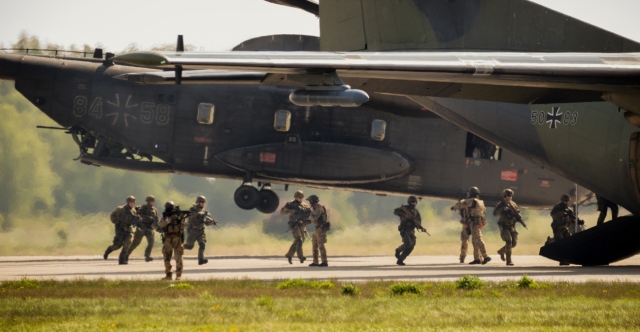
  • #NATO #OTAN #NATOforUkraine #Russia #RussianUkrainianWar #RussiaUkraineConflict #UkraineWarNews #Ukraina #Ukrainekrieg #Ukraine#Railway #railwaytrack #Germany #wounded #evacuation
    https://en.protothema.gr/2024/09/26/nato-planning-even-for-the-evacuation-of-wounded-soldiers-in-case-of-war-with-russia/
    #NATO #OTAN #NATOforUkraine #Russia #RussianUkrainianWar #RussiaUkraineConflict #UkraineWarNews #Ukraina #Ukrainekrieg #Ukraine️ #Railway #railwaytrack #Germany #wounded #evacuation https://en.protothema.gr/2024/09/26/nato-planning-even-for-the-evacuation-of-wounded-soldiers-in-case-of-war-with-russia/
    EN.PROTOTHEMA.GR
    NATO: Planning even for the evacuation of wounded soldiers in case of war with Russia - ProtoThema English
    A German lieutenant general stated that NATO is working to ensure it has the operational capability to transport a large number of severely injured soldiers — planning that began after Russia's invasion of Ukraine
    0 Σχόλια 0 Μοιράστηκε 9χλμ. Views
  • This song (well, really all of the songs on the album) makes me think of trench warfare, machine gun and small arms fire, infrantry charges, artillery bombardments, tanks, gas attacks, wounded and dead soldiers laying in no-mans land, and just WW1 in general....its so fucking amazing.
    This song (well, really all of the songs on the album) makes me think of trench warfare, machine gun and small arms fire, infrantry charges, artillery bombardments, tanks, gas attacks, wounded and dead soldiers laying in no-mans land, and just WW1 in general....its so fucking amazing.
    Goth Vibes
    1
    0 Σχόλια 0 Μοιράστηκε 3χλμ. Views
  • Big progress in my Rage Therapy group.
    Only 2 deaths and 4 wounded last month.

    And only 1 of the wounded was because of firearms.
    Only 1!!!!!

    guys, we´re on fire!! (no pun intended to Pedro who got the worst of that molotov cocktail).
    Big progress in my Rage Therapy group. Only 2 deaths and 4 wounded last month. And only 1 of the wounded was because of firearms. Only 1!!!!! guys, we´re on fire!! (no pun intended to Pedro who got the worst of that molotov cocktail).
    Goth Vibes
    Rotten Laughs
    Gasp of the Grave
    3
    4 Σχόλια 0 Μοιράστηκε 1χλμ. Views
Προωθημένο
Προωθημένο
HeyFreaks.com https://heyfreaks.com