

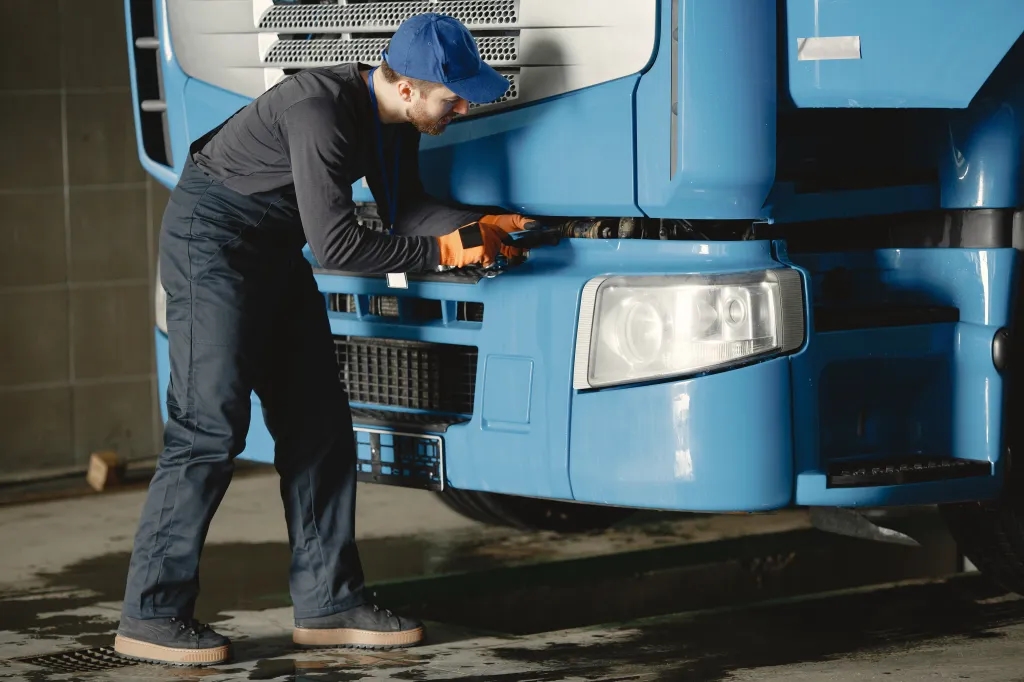

Commercial trucks operate in demanding environments where road dust, mud, grease, exhaust residue, and changing weather conditions constantly affect their exterior surfaces. Regular cleaning helps remove these contaminants while maintaining a professional appearance across individual vehicles and large fleets. Selecting suitable truck wash products allows fleet operators to establish a reliable maintenance routine that addresses different cleaning requirements. The right combination of soaps, exterior cleaners, detailing supplies, and washing equipment can improve cleaning efficiency while supporting the long-term appearance of commercial vehicles.
Fleet maintenance involves more than keeping vehicles visually attractive. Dirt accumulation around mirrors, lights, steps, wheel arches, and other exterior components can make routine inspections more difficult. Consistent cleaning helps employees identify visible damage, loose components, and areas that require additional attention. A structured washing schedule also reduces the likelihood of heavy contamination becoming difficult to remove. By selecting appropriate products and using them according to manufacturer instructions, transportation businesses can maintain cleaner vehicles while creating more organized procedures for regular fleet care.
Exploring Different Types of Truck Washing Products
Truck Wash Soaps for Everyday Cleaning
Truck wash soaps are essential for removing ordinary road dirt, dust, and surface grime. These products are generally designed to loosen contamination so that it can be rinsed away without excessive scrubbing. Fleet operators should compare cleaning strength, dilution requirements, and compatibility with vehicle finishes before choosing a formula. Concentrated options may also provide practical value for businesses that wash several vehicles regularly. Following recommended measurements helps maintain consistent cleaning performance while preventing unnecessary product consumption during routine washing operations.
Exterior Cleaners for Stubborn Dirt
Exterior cleaning products address contamination that ordinary washing formulas may not completely remove. Grease, oily deposits, insect remains, and stubborn road film can collect on different vehicle surfaces during regular transportation activities. Specialized cleaners are designed for particular applications, making it important to check their compatibility before use. Fleet managers can explore truck exterior cleaners to understand the options available for maintaining painted panels and other compatible exterior components. Selecting products according to actual cleaning needs helps avoid unnecessary chemical applications.
Interior Cleaning Products for Cabin Maintenance
Truck cabins experience frequent use, making interior maintenance another important part of fleet care. Dust, food particles, fingerprints, and everyday stains can affect seats, dashboards, door panels, and flooring. Different materials require different cleaning methods, particularly when leather, fabric, plastic, and glass surfaces are involved. Using suitable products helps remove ordinary dirt while maintaining the appearance of interior materials. Fleet operators should review truck interior cleaners when developing a complete cleaning routine that addresses both exterior and cabin maintenance requirements.
Factors to Consider When Selecting Fleet Cleaning Supplies
Understanding Vehicle Surface Compatibility
Commercial vehicles contain several materials that may respond differently to cleaning chemicals. Painted panels, aluminum wheels, chrome components, rubber trim, glass, and plastic surfaces each have particular maintenance requirements. A product suitable for one material may not be appropriate for another. Fleet managers should carefully examine product labels and manufacturer recommendations before using a cleaner across multiple surfaces. For specialized metal maintenance, aluminum polishing products can provide additional options for maintaining compatible polished components.
Evaluating Cleaning Strength and Performance
Cleaning strength should match the type of contamination commonly encountered during transportation activities. Mild formulas may work well for regular dust and road film, while heavier deposits may require specialized cleaning solutions. However, stronger chemicals are not automatically better for every vehicle surface. Excessive chemical strength or incorrect application can create unnecessary maintenance concerns. Buyers should evaluate product specifications, recommended uses, dilution ratios, and rinsing requirements before making a purchase. A balanced selection supports effective cleaning without exposing vehicle finishes to unsuitable treatment.
Comparing Packaging and Product Concentration
Packaging size and concentration can influence purchasing decisions, especially for businesses responsible for maintaining multiple trucks. Larger containers may be practical for high-volume washing operations, while smaller packages can suit occasional cleaning tasks or product testing. Concentrated formulas require accurate measurement to achieve the intended performance. Fleet managers should calculate expected usage and compare product instructions rather than relying only on container size. This approach helps organizations manage cleaning supplies more efficiently and maintain consistent washing procedures across different maintenance locations.
Choosing the Right Truck Washing Equipment
Pressure Washers for Efficient Cleaning
Pressure washers can remove loose mud and accumulated dirt from large vehicle surfaces before the main washing stage. They are especially useful for cleaning lower panels, wheel areas, steps, and other locations where road contamination collects. However, pressure settings and nozzle selection should follow equipment instructions to avoid damaging paint, decals, seals, or sensitive components. Maintaining a suitable working distance is equally important. When used properly, pressure washing can reduce manual effort and prepare exterior surfaces for more detailed cleaning procedures.
Foam Application Equipment
Foam application systems distribute cleaning solutions across vehicle surfaces and can help loosen accumulated grime. They are commonly used in professional washing environments because they provide broad coverage on large trucks. The selected soap must be compatible with the equipment and applied according to its recommended dilution instructions. Foam thickness should not be treated as the only indicator of cleaning quality. Operators should also consider how effectively the product lifts dirt and rinses away. Combining appropriate formulas with suitable application equipment supports a more organized washing process.
Brushes, Mitts, and Detailing Accessories
Manual cleaning accessories remain valuable even when commercial washing equipment is available. Soft wash mitts can help clean painted panels, while suitable brushes can reach steps, wheel areas, and difficult corners. Different tools should be assigned to heavily contaminated components to prevent grit from transferring onto cleaner surfaces. Microfiber towels also support drying and finishing activities when maintained properly. Fleet managers can review dedicated truck detailing equipment to identify useful accessories for regular vehicle maintenance and professional cleaning tasks.
Developing a Consistent Fleet Washing Routine
Preparing Vehicles Before Washing
Preparation helps improve cleaning results and reduces unnecessary contact with contaminated surfaces. Trucks should be parked in an appropriate washing area, and loose dirt should be removed with a preliminary rinse. Cleaning tools should be inspected to ensure they do not contain trapped grit or debris. Operators should also identify delicate surfaces and components that may require special attention. Preparing the vehicle before applying cleaning products makes the washing process more controlled and helps prevent avoidable marks during routine exterior maintenance.
Following a Proper Washing Sequence
An organized washing sequence helps employees complete tasks consistently. Starting with the upper sections and gradually moving toward lower panels can prevent dirty water from spreading over areas that have already been cleaned. Cleaning solutions should be applied according to manufacturer directions and should not be allowed to dry on surfaces unless specifically permitted. Separate materials can be used for wheels and heavily soiled components. This method helps reduce cross-contamination while ensuring that important exterior areas receive appropriate cleaning attention during every wash.
Rinsing and Drying Carefully
Thorough rinsing removes loosened dirt and remaining cleaning solution from vehicle surfaces. Operators should pay particular attention to mirrors, door gaps, handles, wheel arches, and other locations where residue may collect. After rinsing, clean drying materials can help reduce watermarks and improve the final appearance. Microfiber towels should be washed regularly and stored in clean conditions to prevent dirt transfer. Consistent rinsing and drying procedures are important because even a suitable cleaning formula may leave an uneven appearance when these final steps are neglected.
Maintaining Different Truck Components
Caring for Aluminum and Chrome Surfaces
Aluminum and chrome components often contribute significantly to the overall appearance of commercial trucks. However, exposure to moisture, road contaminants, and environmental conditions can gradually reduce their shine. These surfaces may require dedicated polishing products instead of ordinary washing soap. Operators should identify the material and finish before selecting a suitable treatment. Using compatible polishing compounds and application accessories can help maintain the appearance of appropriate metal components. Regular inspection also helps identify areas where additional cleaning or finishing work may be required.
Maintaining Truck Interior Materials
Interior surfaces require a separate maintenance approach because they include materials with different cleaning needs. Leather seats may require suitable leather cleaning and conditioning products, while fabric upholstery may need specialized fabric cleaners. Plastic dashboards and door panels should be treated with compatible solutions that do not leave unwanted residue. Regular cabin cleaning helps maintain a comfortable working environment and improves the overall presentation of the vehicle. Fleet operators should establish separate procedures for interior and exterior maintenance to ensure that each material receives appropriate care.
Benefits of Smart Product Selection for Fleet Management
Choosing suitable cleaning supplies can improve the organization of fleet maintenance activities. When products have clear instructions and match specific cleaning requirements, employees can follow consistent procedures across different vehicles. Standardized supplies also make inventory management easier because purchasing teams can estimate consumption and organize replenishment schedules. Regular cleaning helps maintain vehicle presentation and supports visual inspections. Although product selection alone cannot replace mechanical maintenance, an effective washing routine contributes to a more organized approach to commercial vehicle care and daily fleet operations.
Finding Reliable Products for Long-Term Maintenance
Fleet managers should compare product applications, packaging, concentration, compatibility, and manufacturer instructions before purchasing cleaning supplies. The most suitable selection depends on vehicle types, operating conditions, washing frequency, and available equipment. Exploring a dedicated truck wash products collection can help buyers review different cleaning and detailing options for their requirements. Businesses should prioritize products that provide practical performance and fit established maintenance procedures. Careful purchasing decisions can help avoid unnecessary supplies while supporting consistent cleaning standards across the fleet.
Conclusion
Effective fleet maintenance depends on regular cleaning, appropriate equipment, and carefully selected products. From everyday truck washing soaps to specialized exterior cleaners, interior treatments, and metal polishing supplies, each product serves a particular purpose. Businesses that establish consistent washing procedures can maintain better vehicle presentation while making routine cleaning activities easier to organize. Reviewing product compatibility and following application instructions also helps support responsible maintenance practices. Truck Soap offers a selection of truck cleaning and detailing products that can help fleet operators maintain cleaner vehicles and support their ongoing maintenance requirements.



