


How Airless Packaging Helps Protect Skincare Formulas from Oxidation and Contamination?
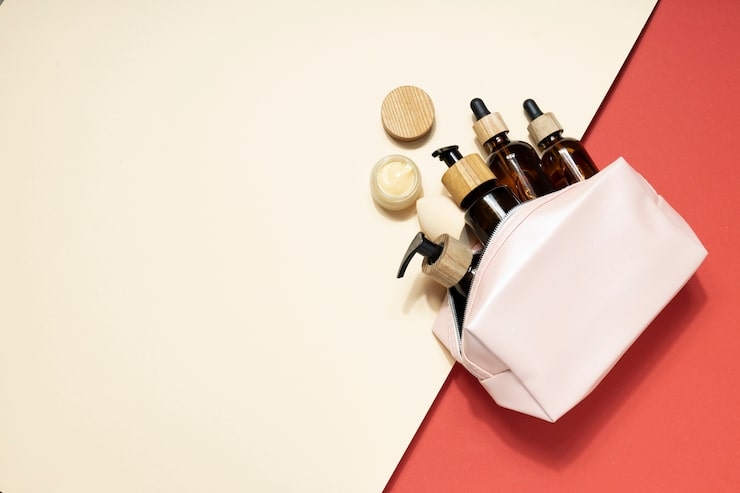
Skincare formulas can be remarkably sophisticated, and surprisingly fragile. Ingredients such as antioxidants, botanical extracts, retinoids, peptides, and certain vitamins can gradually lose their effectiveness when repeatedly exposed to oxygen, light, or external contaminants. The formula may still look acceptable, but its performance can decline over time. This is where packaging becomes more than an attractive exterior. Airless packaging is engineered to reduce unnecessary exposure, helping preserve formula quality from the first use to the last.
Why Oxidation Is a Concern?
Oxidation occurs when sensitive ingredients react with oxygen. This can alter a product’s color, scent, texture, stability, or efficacy. Ingredients such as vitamin C and retinoids are particularly vulnerable to environmental exposure.
Traditional jars can increase this risk because consumers repeatedly open the container and use their fingers or applicators to remove the product. Each opening introduces fresh air, while direct handling can introduce microorganisms and other contaminants.
For formulators developing advanced skincare products, controlling these exposure points is therefore an important part of maintaining product integrity.
How Airless Systems Reduce Air Exposure
Airless packaging uses a dispensing mechanism that pushes the formula upward from inside the container rather than requiring users to reach into it. As the product is dispensed, an internal piston or similar mechanism moves upward, minimizing the amount of air entering the package.
This design offers two important advantages:
- Reduced oxygen exposure: The formula is less frequently exposed to fresh air.
- Controlled dispensing: Consumers can access the product without repeatedly opening a wide container.
This can be especially valuable for formulations containing oxygen-sensitive active ingredients. While airless packaging cannot completely eliminate oxidation, it can help create a more controlled environment for the formula.
Limiting Contamination During Use
Packaging also plays a critical role in protecting skincare from contamination after manufacturing. Every time a consumer touches a product, there is an opportunity for unwanted particles or microorganisms to enter the container.
Airless dispensers reduce the need for direct contact with the remaining formula. The product is dispensed through a controlled opening, while the bulk of the formulation remains enclosed within the container.
For products designed for repeated daily use, this added barrier can support better hygiene and help maintain consistent product quality throughout the intended shelf life.
The Role of Beauty Product Packaging
Effective beauty product packaging has to balance protection, functionality, sustainability, and consumer experience. Airless systems demonstrate how these requirements can work together.
From a formulation perspective, packaging should complement the product’s stability requirements rather than simply serve as an attractive container. From a consumer perspective, precise dispensing can also reduce unnecessary product waste by delivering controlled amounts.
For brands, the packaging choice can therefore influence everything from formula preservation to usability and perceived product quality.
Sustainability and Material Selection
Protection is only one consideration when selecting modern packaging. Sustainability has become increasingly important across the beauty industry, encouraging brands to evaluate material sourcing, recyclability, manufacturing processes, and overall packaging efficiency.
Using FSC certified packaging for compatible paper-based components can support responsible sourcing practices because FSC certification relates to materials originating from responsibly managed forests. When combined with thoughtful structural design and appropriate material selection, this approach can help brands address environmental considerations without overlooking product protection.
Protecting the Formula from First Use to Last
A skincare formula does not exist in isolation. Its stability depends partly on the environment in which it is stored, transported, opened, and dispensed. Airless packaging addresses several of these challenges by reducing exposure to oxygen and limiting direct contact with the remaining product.
For brands working with sensitive or high-value formulations, selecting packaging based on the formula’s actual stability requirements can be as important as the ingredients themselves. The right packaging does not merely contain skincare, it helps preserve the work that went into creating it.
- Goth Lifestyle
- Fashion & Style
- Music & Bands
- Art & Photography
- Creative Writing & Poetry
- Events & Scene
- Occult & Spirituality
- DIY & Tutorials
- Beauty & Self-Care
- Relationships & Dating
- Gaming & Media
- Tech & Gadgets
- Body Art & Piercings
- Underground Culture
- Spotlights & Interviews
- Travel & Places
- Lifestyle & Daily Life
- Fitness & Health
- Travel & Adventure
- Books & Literature
- Tech & Gaming
- Movies & TV
- Food & Drinks
- Humor & Memes
- Pets & Animals
- General Arts & Crafts

 English
 Arabic
 French
 Spanish
 Portuguese
 Deutsch
 Turkish
 Italiano
 Russian
 Romaian
 Portuguese (Brazil)
 Greek
Greek