


Teeth Grinding Solution at Home: How a Custom-Fit Mouth Guard Can Help Protect Your Smile
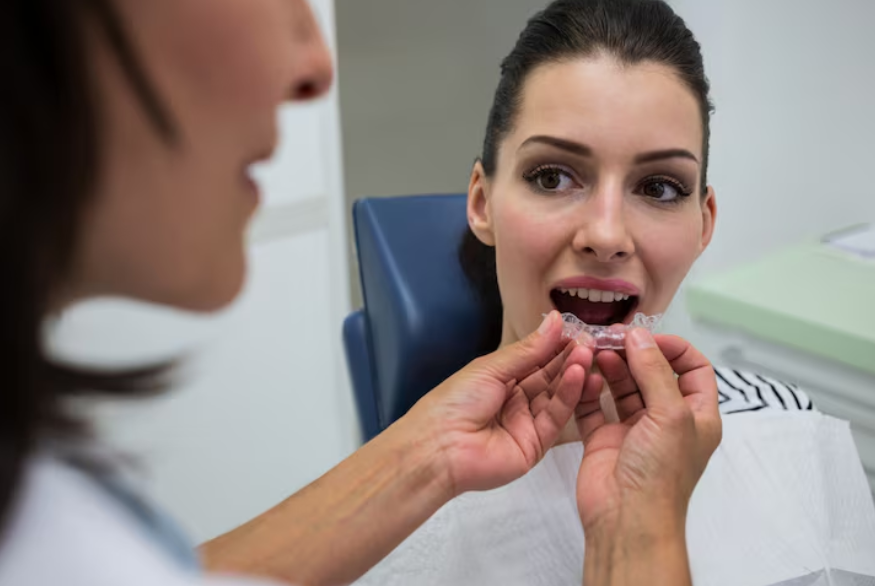
Teeth grinding, also known as bruxism, is a common habit that can happen while you are awake or asleep. Many people do not realize they grind their teeth until they notice jaw soreness, morning headaches, tooth sensitivity, or unusual wear on their teeth. While occasional grinding may not cause serious problems, frequent or forceful grinding can gradually damage the teeth and affect the jaw muscles. Finding an effective teeth grinding solution at home can therefore be an important part of protecting your oral health and improving everyday comfort.
One of the most practical approaches is using a properly designed mouth guard. A bruxism mouth guard custom fit to your teeth can provide a protective barrier between the upper and lower teeth, helping reduce direct contact during grinding. Along with good daily habits, relaxation techniques, and professional dental guidance when needed, a mouth guard may make managing bruxism easier.
Understanding Why Teeth Grinding Happens
Before choosing a teeth grinding solution at home, it helps to understand some of the factors that may contribute to bruxism. Stress and anxiety are commonly associated with teeth grinding, particularly during sleep. Some people may clench their teeth when concentrating, driving, working, or dealing with stressful situations.
Sleep-related factors can also play a role. People who experience certain sleep disturbances may be more likely to grind or clench their teeth at night. Lifestyle habits, including excessive caffeine consumption, alcohol use, and irregular sleep schedules, may also contribute in some individuals.
Because the causes can vary, there is no single solution that works for everyone. However, simple home strategies can complement professional care and help reduce the impact of grinding.
Relax Your Jaw Before Bed
A simple teeth grinding solution at home is creating a relaxing nighttime routine. If your jaw muscles remain tense before sleeping, you may be more likely to clench your teeth during the night.
Try spending several minutes before bed consciously relaxing your jaw. Keep your lips gently together while allowing your teeth to remain slightly apart. Slow breathing exercises can also help your entire body relax.
A warm compress placed against the sides of the jaw may provide additional comfort when the muscles feel tight or tired. Gentle massage around the jaw muscles can also be soothing. Avoid pressing too hard, especially if the area is painful or swollen.
Improve Your Sleep Routine
Quality sleep is an important part of overall wellness and may also help when managing nighttime habits. Maintain a consistent bedtime and wake-up schedule whenever possible. Keep your bedroom comfortable, quiet, and suitable for sleeping.
Reducing stimulating activities shortly before bedtime may help your body prepare for rest. Consider limiting caffeine later in the day and creating a calming routine that might include reading, stretching, or breathing exercises.
These habits are not guaranteed to stop bruxism, but they can support a healthier sleep environment and may complement other approaches.
Consider a Custom-Fit Mouth Guard
For people who regularly grind their teeth, protection is often just as important as trying to reduce the habit. A bruxism mouth guard custom fit to the individual's teeth can provide a comfortable layer between the dental surfaces.
Unlike a generic guard that may feel bulky or loose, a custom-fit appliance is designed around the unique shape of your mouth. Proper fit can make it easier to wear consistently and may reduce discomfort caused by an appliance that does not sit correctly.
A custom mouth guard can be particularly useful for people who experience frequent nighttime grinding. It can help protect the surfaces of the teeth from repeated contact and may reduce some of the stress placed on dental restorations.
Why Fit Matters
When choosing a mouth guard, comfort and fit are important considerations. A poorly fitting appliance may move during sleep, feel uncomfortable, or make it difficult to relax the jaw.
A bruxism mouth guard custom fit by a dental professional is made with your individual dental structure in mind. The dentist can evaluate your bite, teeth, jaw, and grinding patterns before determining whether a particular type of appliance is appropriate.
A properly fitted guard is also easier to incorporate into a regular nighttime routine. Consistency matters because occasional use may not provide the same protective benefit as following a recommended wearing schedule.
Be Mindful of Daytime Clenching
Not all teeth grinding occurs during sleep. Some people unconsciously clench their teeth during the day, especially while working, exercising, or experiencing stress.
One useful teeth grinding solution at home is becoming more aware of your jaw position. Set reminders throughout the day to check whether your teeth are pressed together. If they are, gently relax the jaw and allow the teeth to separate.
This simple awareness exercise can help you recognize patterns associated with daytime clenching. Over time, you may become better at noticing when tension is building in your jaw.
Protect Your Teeth From Additional Stress
People with bruxism should also pay attention to habits that can put extra pressure on the teeth. Avoid chewing ice, pens, fingernails, or other hard objects. These habits can place unnecessary stress on teeth that are already exposed to grinding forces.
If your teeth are sensitive, choosing less abrasive oral-care products and discussing sensitivity with your dentist may also be helpful. Maintaining regular brushing and flossing is especially important because damaged or worn teeth still require proper preventive care.
When a Mouth Guard May Be Especially Helpful
A mouth guard may be worth discussing with a dental professional if you frequently wake with jaw soreness, headaches, tooth sensitivity, or signs of tooth wear. You might also notice that your teeth appear flatter, chipped, or more sensitive than they used to be.
Some people discover their grinding because a partner hears clicking or grinding sounds during sleep. Others learn about it during a routine dental examination.
If you have already tried general home strategies but continue experiencing symptoms, a professional evaluation can help identify the underlying problem and determine whether a custom appliance is suitable.
Combine Home Care With Professional Guidance
Home strategies can be useful, but persistent bruxism should not be ignored. A dentist can examine your teeth for cracks, excessive wear, damaged fillings, gum concerns, or other issues associated with prolonged grinding.
If jaw pain is severe, persistent, or associated with difficulty opening the mouth, professional evaluation is particularly important. The goal is not simply to cover the symptoms but to understand what may be contributing to the grinding.
For many people, the most effective approach combines stress management, healthy sleep habits, daytime awareness, and appropriate dental protection. A bruxism mouth guard custom fit for your mouth can become one part of this broader strategy.
Creating a Practical At-Home Routine
Managing teeth grinding does not necessarily require complicated changes. Start with a consistent bedtime schedule, reduce evening stimulants, practice jaw relaxation, and pay attention to daytime clenching. Keep your mouth guard clean and store it properly when it is not being used.
If you have been advised to wear a custom appliance, follow the instructions provided by your dental professional. Regular dental visits can also help monitor changes in tooth wear and ensure that your appliance continues to fit properly.
Final Thoughts
Finding the right teeth grinding solution at home can begin with small, consistent changes. Relaxing the jaw, improving sleep habits, reducing unnecessary chewing, and becoming more aware of daytime clenching can all support better oral comfort.
For people who grind their teeth regularly, dental protection is another important consideration. A bruxism mouth guard custom fit to your individual teeth can offer a comfortable protective barrier and help limit the effects of repeated tooth-to-tooth contact. While a mouth guard may not eliminate the underlying cause of bruxism, it can be a valuable part of a comprehensive approach.
If grinding symptoms continue or become more noticeable, talking with a dentist is the best way to determine what is happening and which treatment options are appropriate. With consistent home care and the right professional guidance, you can take meaningful steps toward protecting your teeth and keeping your smile comfortable for years to come.
- Goth Lifestyle
- Fashion & Style
- Music & Bands
- Art & Photography
- Creative Writing & Poetry
- Events & Scene
- Occult & Spirituality
- DIY & Tutorials
- Beauty & Self-Care
- Relationships & Dating
- Gaming & Media
- Tech & Gadgets
- Body Art & Piercings
- Underground Culture
- Spotlights & Interviews
- Travel & Places
- Lifestyle & Daily Life
- Fitness & Health
- Travel & Adventure
- Books & Literature
- Tech & Gaming
- Movies & TV
- Food & Drinks
- Humor & Memes
- Pets & Animals
- General Arts & Crafts
 English
 Arabic
 French
 Spanish
 Portuguese
 Deutsch
 Turkish
 Dutch
Dutch
 Italiano
 Russian
 Romaian
 Portuguese (Brazil)
 Greek
Greek