



Web Analytics
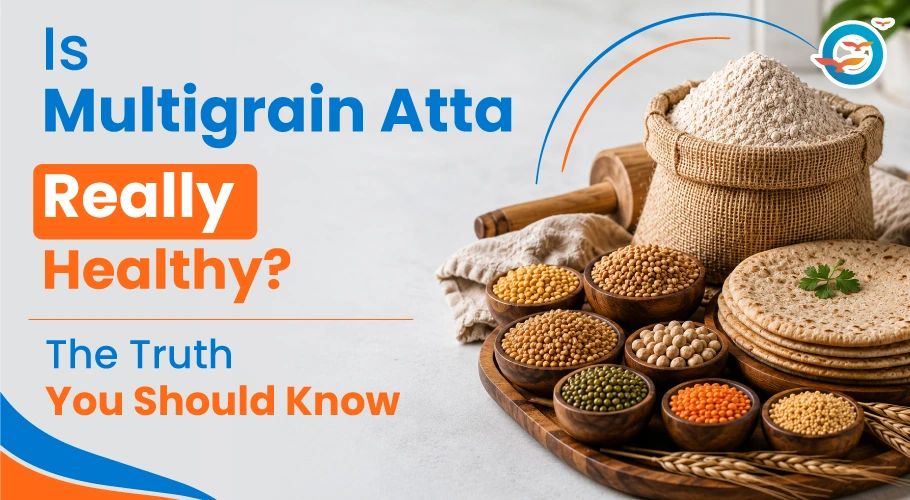
  • Is Multigrain Atta Really Healthy? The Truth You Should Know
    Is Multigrain Good for You?
    The answer depends on what type of multigrain flour you are choosing and how your body responds to it.
    Multigrain simply means a mixture of different grains. It does not automatically mean low-carb, diabetes-friendly, or better for blood sugar.
    Most commercially available multigrain atta contains around 70–80% wheat, with small amounts of other grains like ragi, jowar, oats, or barley added to it. While these grains may sound healthier, combining multiple grains does not always improve their impact on blood sugar.
    For people with insulin resistance or diabetes, the quality, quantity, and processing of carbohydrates matter more than the number of grains in the packet.
    Multigrain vs Whole Grain: What Is the Difference?
    Many people confuse multigrain and whole grain wheat flour.
    Whole grain wheat flour is made from the entire wheat kernel, including the bran, germ, and endosperm. This helps retain more fiber and nutrients.
    Multigrain flour contains multiple grains, but these grains may not always be whole grains. Some products can also be finely processed, which makes digestion faster and may lead to quicker glucose spikes.
    So, when comparing multigrain vs whole grain, the label alone does not tell the complete story. The processing method and actual grain composition are equally important.
    Browse full blog-
    https://www.freedomfromdiabetes.org/blog/post/is-multigrain-atta-healthy-for-diabetes/5363
    Contact us :-
    Mob : +91-7776077760
    Email-Id : info@freedomfromdiabetes.org
    Also connect with us on our website , Facebook page, and youtube
    Is Multigrain Atta Really Healthy? The Truth You Should Know Is Multigrain Good for You? The answer depends on what type of multigrain flour you are choosing and how your body responds to it. Multigrain simply means a mixture of different grains. It does not automatically mean low-carb, diabetes-friendly, or better for blood sugar. Most commercially available multigrain atta contains around 70–80% wheat, with small amounts of other grains like ragi, jowar, oats, or barley added to it. While these grains may sound healthier, combining multiple grains does not always improve their impact on blood sugar. For people with insulin resistance or diabetes, the quality, quantity, and processing of carbohydrates matter more than the number of grains in the packet. Multigrain vs Whole Grain: What Is the Difference? Many people confuse multigrain and whole grain wheat flour. Whole grain wheat flour is made from the entire wheat kernel, including the bran, germ, and endosperm. This helps retain more fiber and nutrients. Multigrain flour contains multiple grains, but these grains may not always be whole grains. Some products can also be finely processed, which makes digestion faster and may lead to quicker glucose spikes. So, when comparing multigrain vs whole grain, the label alone does not tell the complete story. The processing method and actual grain composition are equally important. Browse full blog- https://www.freedomfromdiabetes.org/blog/post/is-multigrain-atta-healthy-for-diabetes/5363 Contact us :- Mob : +91-7776077760 Email-Id : info@freedomfromdiabetes.org Also connect with us on our website , Facebook page, and youtube
    WWW.FREEDOMFROMDIABETES.ORG
    Is Multigrain Atta Healthy? Truth for Diabetes & Blood Sugar - Freedom from Diabetes
    Is multigrain atta good for blood sugar? Learn the difference between multigrain and whole grain, side effects, and why single grains are often recommended.
    0 Comentários 0 Compartilhamentos 139 Visualizações
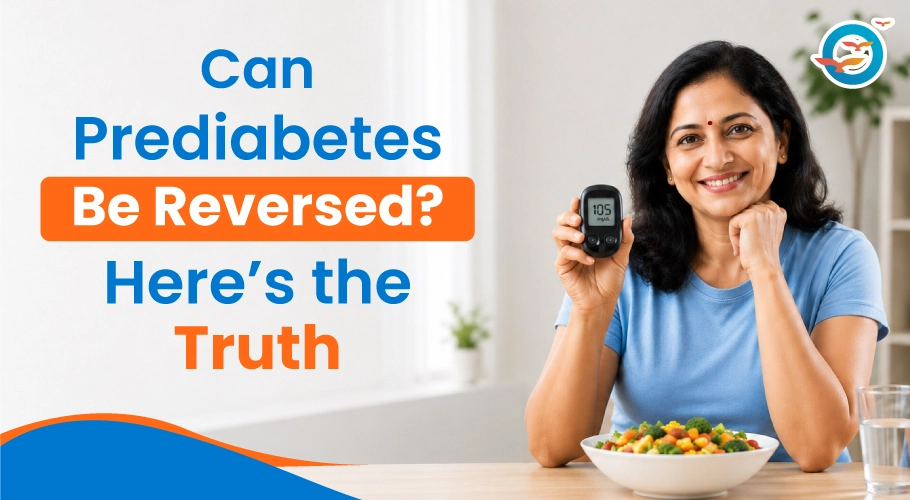
  • Can Prediabetes Be Reversed? Here’s the Truth
    What Is Prediabetes?
    So, what is pre diabetes?
    Prediabetes is a condition where your blood sugar levels are higher than normal but not yet high enough to be classified as diabetes.
    It usually happens when your body starts becoming resistant to insulin. Insulin is the hormone responsible for helping glucose move from your bloodstream into your cells for energy. When insulin does not work efficiently, glucose starts building up in your blood.
    Prediabetes often develops silently, and many people discover it only after a routine blood test.
    This is why understanding the early warning signs and taking action matters.
    What Causes Prediabetes?
    Prediabetes is not caused by one single factor. It develops due to a combination of lifestyle, metabolic, and genetic factors.
    Some common causes include:
    Excess consumption of refined carbohydrates and processed foods
    Frequent intake of sugary drinks and sweets
    Lack of physical activity
    Poor sleep quality
    Chronic stress
    Increased abdominal fat
    Family history of diabetes
    Over time, these factors can increase insulin resistance and make it harder for your body to maintain healthy blood sugar levels.
    Browse full blog-
    https://www.freedomfromdiabetes.org/blog/post/how-to-reverse-prediabetes/5359
    Contact us :-
    Mob : +91-7776077760
    Email-Id : info@freedomfromdiabetes.org
    Also connect with us on our website , Facebook page, and youtube
    Can Prediabetes Be Reversed? Here’s the Truth What Is Prediabetes? So, what is pre diabetes? Prediabetes is a condition where your blood sugar levels are higher than normal but not yet high enough to be classified as diabetes. It usually happens when your body starts becoming resistant to insulin. Insulin is the hormone responsible for helping glucose move from your bloodstream into your cells for energy. When insulin does not work efficiently, glucose starts building up in your blood. Prediabetes often develops silently, and many people discover it only after a routine blood test. This is why understanding the early warning signs and taking action matters. What Causes Prediabetes? Prediabetes is not caused by one single factor. It develops due to a combination of lifestyle, metabolic, and genetic factors. Some common causes include: Excess consumption of refined carbohydrates and processed foods Frequent intake of sugary drinks and sweets Lack of physical activity Poor sleep quality Chronic stress Increased abdominal fat Family history of diabetes Over time, these factors can increase insulin resistance and make it harder for your body to maintain healthy blood sugar levels. Browse full blog- https://www.freedomfromdiabetes.org/blog/post/how-to-reverse-prediabetes/5359 Contact us :- Mob : +91-7776077760 Email-Id : info@freedomfromdiabetes.org Also connect with us on our website , Facebook page, and youtube

    WWW.FREEDOMFROMDIABETES.ORG
    Can Prediabetes Be Reversed? Tips & Facts You Should Know - Freedom from Diabetes
    Can prediabetes be reversed? Learn the truth about lifestyle changes, diet, exercise, and blood sugar control to help reduce your risk of type 2 diabetes.
    0 Comentários 0 Compartilhamentos 151 Visualizações
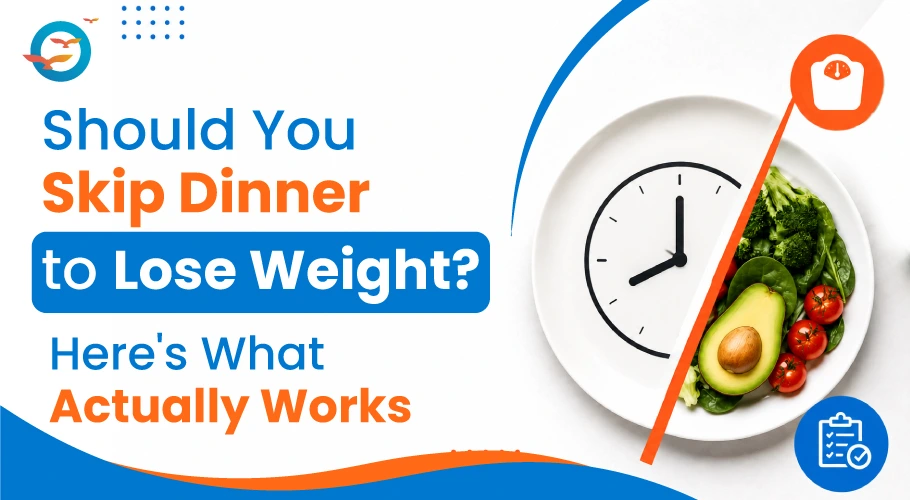
  • Should You Skip Dinner to Lose Weight? Here's What Actually Works
    The Truth About Skipping Dinner for Weight Loss
    "Skip dinner if you want to lose weight."
    It's one of the most common weight-loss tips on the internet. Many people believe that eating one less meal every day is the fastest route to a slimmer body. But if skipping dinner for weight loss was truly the secret, long-term weight loss would be easy for everyone.
    The reality is quite different. Weight loss isn't about eating less, it's about nourishing your body properly. In fact, the right dinner can improve your sleep, reduce cravings, and support healthy fat loss. Here's why skipping dinner may not be the shortcut you think it is.
    Does Skipping Dinner Really Help You Lose Weight?
    Many people try skipping dinner for weight loss because they assume fewer meals automatically mean fewer calories. While it may create a calorie deficit temporarily, it doesn't always lead to sustainable fat loss.
    If your body isn't getting enough nutrients during the day, skipping dinner often backfires. You may wake up hungrier, overeat at breakfast or lunch, and crave sugary or processed foods. That's why simply asking, "Should I skip dinner to lose weight?" misses the bigger picture. Sustainable weight loss depends on overall nutrition, not just meal timing.
    Browse full blog-
    https://www.freedomfromdiabetes.org/blog/post/does-skipping-dinner-help-weight-loss/5353
    Contact us :-
    Mob : +91-7776077760
    Email-Id : info@freedomfromdiabetes.org
    Also connect with us on our website , Facebook page, and youtube
    Should You Skip Dinner to Lose Weight? Here's What Actually Works The Truth About Skipping Dinner for Weight Loss "Skip dinner if you want to lose weight." It's one of the most common weight-loss tips on the internet. Many people believe that eating one less meal every day is the fastest route to a slimmer body. But if skipping dinner for weight loss was truly the secret, long-term weight loss would be easy for everyone. The reality is quite different. Weight loss isn't about eating less, it's about nourishing your body properly. In fact, the right dinner can improve your sleep, reduce cravings, and support healthy fat loss. Here's why skipping dinner may not be the shortcut you think it is. Does Skipping Dinner Really Help You Lose Weight? Many people try skipping dinner for weight loss because they assume fewer meals automatically mean fewer calories. While it may create a calorie deficit temporarily, it doesn't always lead to sustainable fat loss. If your body isn't getting enough nutrients during the day, skipping dinner often backfires. You may wake up hungrier, overeat at breakfast or lunch, and crave sugary or processed foods. That's why simply asking, "Should I skip dinner to lose weight?" misses the bigger picture. Sustainable weight loss depends on overall nutrition, not just meal timing. Browse full blog- https://www.freedomfromdiabetes.org/blog/post/does-skipping-dinner-help-weight-loss/5353 Contact us :- Mob : +91-7776077760 Email-Id : info@freedomfromdiabetes.org Also connect with us on our website , Facebook page, and youtube

    WWW.FREEDOMFROMDIABETES.ORG
    Should You Skip Dinner to Lose Weight? What Actually Works - Freedom from Diabetes
    Does skipping dinner help with weight loss? Learn the benefits, risks, side effects, and why a healthy dinner may be a better choice for lasting weight loss.
    0 Comentários 0 Compartilhamentos 153 Visualizações
  • Craving For Sweets After Dinner? Read This First
    Dinner is over. Your stomach feels full. You know you don't need anything more.
    But a few minutes later, your mind starts searching for something sweet; a piece of chocolate, ice cream, or dessert.
    Sounds familiar?
    This habit of craving sugar after eating, especially after your night meal, is extremely common. Many people believe their body needs sugar after dinner, but the reality is often different.
    These cravings are usually connected to your habits, gut health, and even the type of food you eat at night. Understanding the reason behind these cravings can help you break the cycle naturally.
    Why Do You Keep Craving Sugar After Eating?
    Not every sweet craving means your body needs sugar. In fact, craving sweets after meals at night is often driven by two hidden reasons that most people overlook.
    Browse full blog-
    https://www.freedomfromdiabetes.org/blog/post/craving-sweets-after-dinner/5352
    Contact us :-
    Mob : +91-7776077760
    Email-Id : info@freedomfromdiabetes.org
    Also connect with us on our website , Facebook page, and youtube
    Craving For Sweets After Dinner? Read This First Dinner is over. Your stomach feels full. You know you don't need anything more. But a few minutes later, your mind starts searching for something sweet; a piece of chocolate, ice cream, or dessert. Sounds familiar? This habit of craving sugar after eating, especially after your night meal, is extremely common. Many people believe their body needs sugar after dinner, but the reality is often different. These cravings are usually connected to your habits, gut health, and even the type of food you eat at night. Understanding the reason behind these cravings can help you break the cycle naturally. Why Do You Keep Craving Sugar After Eating? Not every sweet craving means your body needs sugar. In fact, craving sweets after meals at night is often driven by two hidden reasons that most people overlook. Browse full blog- https://www.freedomfromdiabetes.org/blog/post/craving-sweets-after-dinner/5352 Contact us :- Mob : +91-7776077760 Email-Id : info@freedomfromdiabetes.org Also connect with us on our website , Facebook page, and youtube
    WWW.FREEDOMFROMDIABETES.ORG
    Sugar Cravings at Night: Causes, Deficiencies & Tips - Freedom from Diabetes
    Learn what causes sugar cravings, including nighttime sweet cravings, and explore natural ways to reduce them with protein, probiotics, and healthy habits.
    0 Comentários 0 Compartilhamentos 154 Visualizações
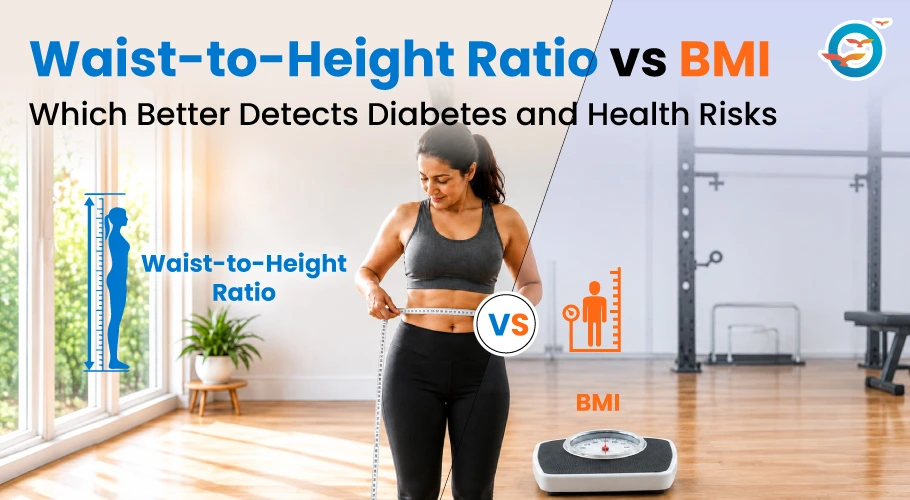
  • Waist-to-Height Ratio vs BMI: Which Better Detects Diabetes and Health Risks?
    Waist-to-Height Ratio vs BMI: Which Predicts Diabetes Risk?
    You know the feeling!
    You step on the scale after a month of trying to eat better, only to see the number hasn't gone down. Meanwhile, your favourite pair of trousers feels suspiciously tighter around the waist.
    Isn’t it frustrating?
    We have all been deeply interested in Body Mass Index (BMI), thinking that it is the best measure of our health. Yet have you ever come across a person who has a "normal" BMI and appears entirely fit on paper and yet is still suffering from high blood sugar or high blood pressure?
    That is precisely the reason why we should consider factors other than body size. A better and more accurate measure exists which could alter the way you see your health: the waist-to-height ratio (WHtR).
    What Is Waist-to-Height Ratio?
    WHtR is a figure that helps assess how body fat is distributed, especially around the waist; to calculate it, you divide your waist circumference by your height.
    For instance, if your height is 170 cm and your waist size is 85 cm:
    WHtR = 85 ÷ 170 = 0.5
    If you'd like to know how to calculate your waist-to-height ratio, that's exactly what you need to do. Or else you can use an online waist-to-height ratio calculator to obtain quick and easy results.
    It is a practical and accurate method that enables you to find out your body shape and health risks from the comfort of your own home; unlike BMI, this height-to-waist ratio shows you where fat is stored in the body.
    Browse full blog-
    https://www.freedomfromdiabetes.org/blog/post/waist-to-height-ratio-vs-bmi-diabetes-risk/5399
    Contact us :-
    Mob : +91-7776077760
    Email-Id : info@freedomfromdiabetes.org
    Also connect with us on our website , Facebook page, and youtube
    Waist-to-Height Ratio vs BMI: Which Better Detects Diabetes and Health Risks? Waist-to-Height Ratio vs BMI: Which Predicts Diabetes Risk? You know the feeling! You step on the scale after a month of trying to eat better, only to see the number hasn't gone down. Meanwhile, your favourite pair of trousers feels suspiciously tighter around the waist. Isn’t it frustrating? We have all been deeply interested in Body Mass Index (BMI), thinking that it is the best measure of our health. Yet have you ever come across a person who has a "normal" BMI and appears entirely fit on paper and yet is still suffering from high blood sugar or high blood pressure? That is precisely the reason why we should consider factors other than body size. A better and more accurate measure exists which could alter the way you see your health: the waist-to-height ratio (WHtR). What Is Waist-to-Height Ratio? WHtR is a figure that helps assess how body fat is distributed, especially around the waist; to calculate it, you divide your waist circumference by your height. For instance, if your height is 170 cm and your waist size is 85 cm: WHtR = 85 ÷ 170 = 0.5 If you'd like to know how to calculate your waist-to-height ratio, that's exactly what you need to do. Or else you can use an online waist-to-height ratio calculator to obtain quick and easy results. It is a practical and accurate method that enables you to find out your body shape and health risks from the comfort of your own home; unlike BMI, this height-to-waist ratio shows you where fat is stored in the body. Browse full blog- https://www.freedomfromdiabetes.org/blog/post/waist-to-height-ratio-vs-bmi-diabetes-risk/5399 Contact us :- Mob : +91-7776077760 Email-Id : info@freedomfromdiabetes.org Also connect with us on our website , Facebook page, and youtube

    WWW.FREEDOMFROMDIABETES.ORG
    Waist-to-Height Ratio: What It Says About Diabetes Risk - Freedom from Diabetes
    Waist-to-height ratio vs BMI: learn which measure better reflects abdominal fat, diabetes risk, and overall metabolic health and helps identify health risks.
    0 Comentários 0 Compartilhamentos 107 Visualizações
  • 6 Lifestyle Changes to Improve Your Lipid Profile Naturally
    Everyday Habits That Can Support Your Lipid Profile
    Many people believe that improving cholesterol means avoiding all fats or depending entirely on medicines. While medication is important for some people, it isn't the only way to improve your heart health.
    Your lipid profile is greatly influenced by your daily habits. The food you eat, how active you are, your sleep, stress levels, and even whether you smoke all play a role. If you're wondering how to improve lipid profile naturally, the answer lies in making consistent lifestyle changes not following quick fixes.
    What Is a Lipid Profile?
    A lipid profile is a blood test that measures the different types of fats in your blood. It includes:
    LDL (Low-Density Lipoprotein): Often called bad cholesterol because excess LDL can build up in the arteries.
    HDL (High-Density Lipoprotein): Known as good cholesterol because it helps remove excess cholesterol from the bloodstream.
    Triglycerides: A type of fat that stores excess energy. High levels increase the risk of heart disease.
    Total Cholesterol: The overall amount of cholesterol in your blood.
    Maintaining the right balance between good and bad cholesterol while keeping triglycerides under control is essential for long-term heart health.
    1. Eat More Fibre-Rich Whole Foods
    One of the most effective foods to lower LDL cholesterol is fibre-rich whole foods.
    Green leafy vegetables, gourds, cruciferous vegetables, whole pulses, seasonal fruits, nuts, and seeds contain soluble fibre, which helps remove excess cholesterol from the body. These foods also support gut health and keep you fuller for longer, making it easier to maintain a healthy weight.
    Building cholesterol healthy meals around whole, minimally processed foods is one of the simplest ways to improve your lipid profile.
    2. Reduce Ultra-Processed Foods
    Highly processed foods are often rich in refined flour, added sugars, unhealthy fats, and excess calories. Regularly consuming sugary beverages, packaged snacks, bakery products, and deep-fried foods can increase LDL cholesterol, raise triglycerides, and promote inflammation.
    Replacing processed foods with fresh, home-cooked meals is a small change that can have a big impact on your heart health.
    Browse full blog-
    https://www.freedomfromdiabetes.org/blog/post/how-to-improve-lipid-profile-naturally/5394
    Contact us :-
    Mob : +91-7776077760
    Email-Id : info@freedomfromdiabetes.org
    Also connect with us on our website , Facebook page, and youtube
    6 Lifestyle Changes to Improve Your Lipid Profile Naturally Everyday Habits That Can Support Your Lipid Profile Many people believe that improving cholesterol means avoiding all fats or depending entirely on medicines. While medication is important for some people, it isn't the only way to improve your heart health. Your lipid profile is greatly influenced by your daily habits. The food you eat, how active you are, your sleep, stress levels, and even whether you smoke all play a role. If you're wondering how to improve lipid profile naturally, the answer lies in making consistent lifestyle changes not following quick fixes. What Is a Lipid Profile? A lipid profile is a blood test that measures the different types of fats in your blood. It includes: LDL (Low-Density Lipoprotein): Often called bad cholesterol because excess LDL can build up in the arteries. HDL (High-Density Lipoprotein): Known as good cholesterol because it helps remove excess cholesterol from the bloodstream. Triglycerides: A type of fat that stores excess energy. High levels increase the risk of heart disease. Total Cholesterol: The overall amount of cholesterol in your blood. Maintaining the right balance between good and bad cholesterol while keeping triglycerides under control is essential for long-term heart health. 1. Eat More Fibre-Rich Whole Foods One of the most effective foods to lower LDL cholesterol is fibre-rich whole foods. Green leafy vegetables, gourds, cruciferous vegetables, whole pulses, seasonal fruits, nuts, and seeds contain soluble fibre, which helps remove excess cholesterol from the body. These foods also support gut health and keep you fuller for longer, making it easier to maintain a healthy weight. Building cholesterol healthy meals around whole, minimally processed foods is one of the simplest ways to improve your lipid profile. 2. Reduce Ultra-Processed Foods Highly processed foods are often rich in refined flour, added sugars, unhealthy fats, and excess calories. Regularly consuming sugary beverages, packaged snacks, bakery products, and deep-fried foods can increase LDL cholesterol, raise triglycerides, and promote inflammation. Replacing processed foods with fresh, home-cooked meals is a small change that can have a big impact on your heart health. Browse full blog- https://www.freedomfromdiabetes.org/blog/post/how-to-improve-lipid-profile-naturally/5394 Contact us :- Mob : +91-7776077760 Email-Id : info@freedomfromdiabetes.org Also connect with us on our website , Facebook page, and youtube

    WWW.FREEDOMFROMDIABETES.ORG
    How to Improve Lipid Profile Naturally: 6 Lifestyle Changes - Freedom from Diabetes
    Learn how to improve your lipid profile naturally with 6 lifestyle changes, including healthy eating, exercise, weight management, sleep and stress control.
    0 Comentários 0 Compartilhamentos 95 Visualizações
  • Want to Lose More Fat? Start Eating These Foods
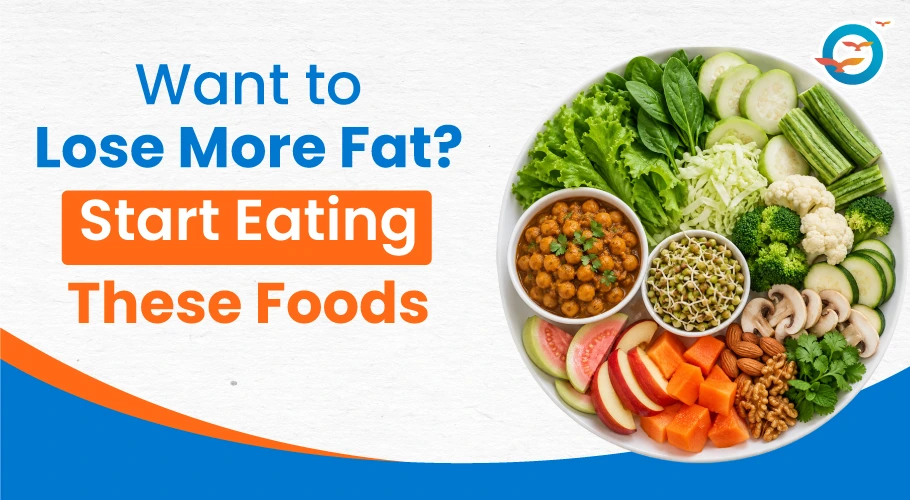
    If you're trying to lose weight, you've probably searched for the best foods for weight loss hoping to find a miracle ingredient that burns fat. But the truth is, no single food can melt body fat overnight.
    What certain foods can do is keep you full for longer, reduce cravings, nourish your body, and make it easier to maintain a calorie deficit naturally. That's what leads to sustainable fat loss. Instead of relying on restrictive diets, fill your plate with whole, plant-based foods that work together to support your health.
    What Are the Best Foods for Weight Loss?
    1. Green Leafy Vegetables
    Green leafy vegetables are among the most nutrient-dense foods you can eat. Spinach, fenugreek (methi), amaranth, drumstick leaves, lettuce, and coriander are rich in fibre, vitamins, minerals, and antioxidants while being naturally low in calories.
    2. Water-Rich & Non-Starchy Vegetables
    Bottle gourd (lauki), ridge gourd (turai), ash gourd, snake gourd, cucumber, pumpkin, cabbage, cauliflower, broccoli, zucchini, mushrooms, capsicum, and tomatoes are excellent additions to a weight-loss diet.
    These vegetables are naturally high in water and fibre, helping you feel full without adding many calories. They also increase the volume of your meals, making them ideal for low calorie meals for weight loss.
    3. Sprouts
    Moong sprouts, matki sprouts, moth bean sprouts, and mixed sprouts are nutritional powerhouses. They provide a healthy combination of plant protein, fibre, vitamins, and antioxidants.
    If you're looking for high protein foods for weight loss, sprouts are an excellent choice because they help improve satiety while supporting lean muscle during weight loss.
    Browse full blog-
    https://www.freedomfromdiabetes.org/blog/post/best-foods-for-weight-loss/5387
    Contact us :-
    Mob : +91-7776077760
    Email-Id : info@freedomfromdiabetes.org
    Also connect with us on our website , Facebook page, and youtube
    Want to Lose More Fat? Start Eating These Foods If you're trying to lose weight, you've probably searched for the best foods for weight loss hoping to find a miracle ingredient that burns fat. But the truth is, no single food can melt body fat overnight. What certain foods can do is keep you full for longer, reduce cravings, nourish your body, and make it easier to maintain a calorie deficit naturally. That's what leads to sustainable fat loss. Instead of relying on restrictive diets, fill your plate with whole, plant-based foods that work together to support your health. What Are the Best Foods for Weight Loss? 1. Green Leafy Vegetables Green leafy vegetables are among the most nutrient-dense foods you can eat. Spinach, fenugreek (methi), amaranth, drumstick leaves, lettuce, and coriander are rich in fibre, vitamins, minerals, and antioxidants while being naturally low in calories. 2. Water-Rich & Non-Starchy Vegetables Bottle gourd (lauki), ridge gourd (turai), ash gourd, snake gourd, cucumber, pumpkin, cabbage, cauliflower, broccoli, zucchini, mushrooms, capsicum, and tomatoes are excellent additions to a weight-loss diet. These vegetables are naturally high in water and fibre, helping you feel full without adding many calories. They also increase the volume of your meals, making them ideal for low calorie meals for weight loss. 3. Sprouts Moong sprouts, matki sprouts, moth bean sprouts, and mixed sprouts are nutritional powerhouses. They provide a healthy combination of plant protein, fibre, vitamins, and antioxidants. If you're looking for high protein foods for weight loss, sprouts are an excellent choice because they help improve satiety while supporting lean muscle during weight loss. Browse full blog- https://www.freedomfromdiabetes.org/blog/post/best-foods-for-weight-loss/5387 Contact us :- Mob : +91-7776077760 Email-Id : info@freedomfromdiabetes.org Also connect with us on our website , Facebook page, and youtube
    WWW.FREEDOMFROMDIABETES.ORG
    Which Foods Are Best for Healthy Weight Loss? - Freedom from Diabetes
    Looking for the best weight loss foods? Explore fat burning foods like leafy vegetables, sprouts, pulses, fruits, nuts, and seeds to support healthy weight loss.
    0 Comentários 0 Compartilhamentos 79 Visualizações
  • Can Coffee Raise Your Blood Sugar? Here’s the Truth
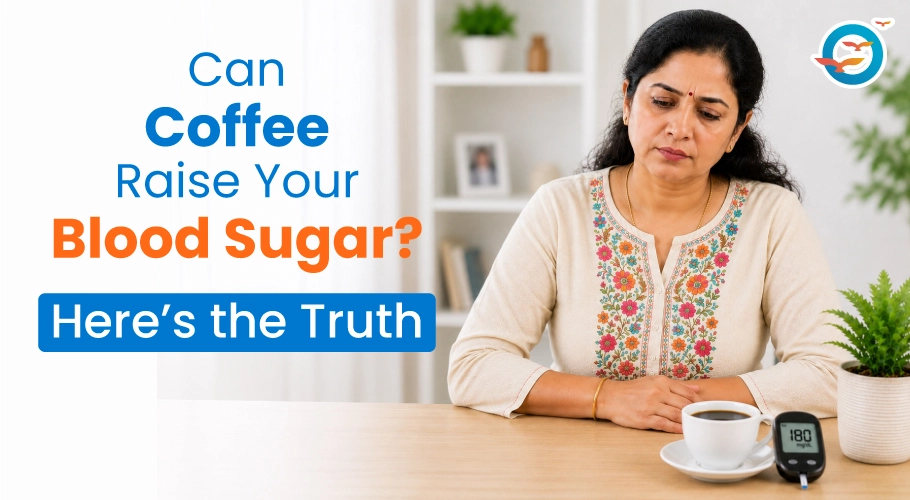
    For many people, the day doesn't truly begin until they've had their first cup of coffee. It boosts alertness, improves focus, and provides an instant energy lift. But if you have diabetes or prediabetes, you may have wondered: Is coffee good for diabetics, or could your daily cup be affecting your blood sugar?
    The answer isn't simply yes or no. While coffee contains antioxidants that may offer health benefits, caffeine can affect coffee and blood sugar levels differently from person to person. Understanding this relationship can help you make informed choices without unnecessarily giving up your favorite beverage.
    How Does Caffeine Affect Blood Sugar?
    Caffeine is a natural stimulant found in coffee, tea, energy drinks, and even dark chocolate. It stimulates the nervous system, making you feel more alert and energetic.
    However, caffeine also activates stress hormones such as adrenaline. These hormones signal the liver to release stored glucose into the bloodstream, which may result in higher blood sugar after drinking coffee for some individuals.
    The effect is usually temporary, but people with diabetes or insulin resistance may notice a greater rise in blood sugar than those without metabolic health issues.
    Browse full blog-
    https://www.freedomfromdiabetes.org/blog/post/can-coffee-raise-blood-sugar/5373 Contact us :-
    Mob : +91-7776077760
    Email-Id : info@freedomfromdiabetes.org
    Also connect with us on our website , Facebook page, and youtube
    Can Coffee Raise Your Blood Sugar? Here’s the Truth For many people, the day doesn't truly begin until they've had their first cup of coffee. It boosts alertness, improves focus, and provides an instant energy lift. But if you have diabetes or prediabetes, you may have wondered: Is coffee good for diabetics, or could your daily cup be affecting your blood sugar? The answer isn't simply yes or no. While coffee contains antioxidants that may offer health benefits, caffeine can affect coffee and blood sugar levels differently from person to person. Understanding this relationship can help you make informed choices without unnecessarily giving up your favorite beverage. How Does Caffeine Affect Blood Sugar? Caffeine is a natural stimulant found in coffee, tea, energy drinks, and even dark chocolate. It stimulates the nervous system, making you feel more alert and energetic. However, caffeine also activates stress hormones such as adrenaline. These hormones signal the liver to release stored glucose into the bloodstream, which may result in higher blood sugar after drinking coffee for some individuals. The effect is usually temporary, but people with diabetes or insulin resistance may notice a greater rise in blood sugar than those without metabolic health issues. Browse full blog- https://www.freedomfromdiabetes.org/blog/post/can-coffee-raise-blood-sugar/5373 Contact us :- Mob : +91-7776077760 Email-Id : info@freedomfromdiabetes.org Also connect with us on our website , Facebook page, and youtube
    WWW.FREEDOMFROMDIABETES.ORG
    Coffee and Blood Sugar: How Caffeine Affects Glucose Levels - Freedom from Diabetes
    Wondering if coffee raises blood sugar? Explore the facts about caffeine, insulin sensitivity, and practical tips for people with diabetes or prediabetes.
    0 Comentários 0 Compartilhamentos 56 Visualizações
  • Health Benefits of Moringa Powder: Everything You Need to Know
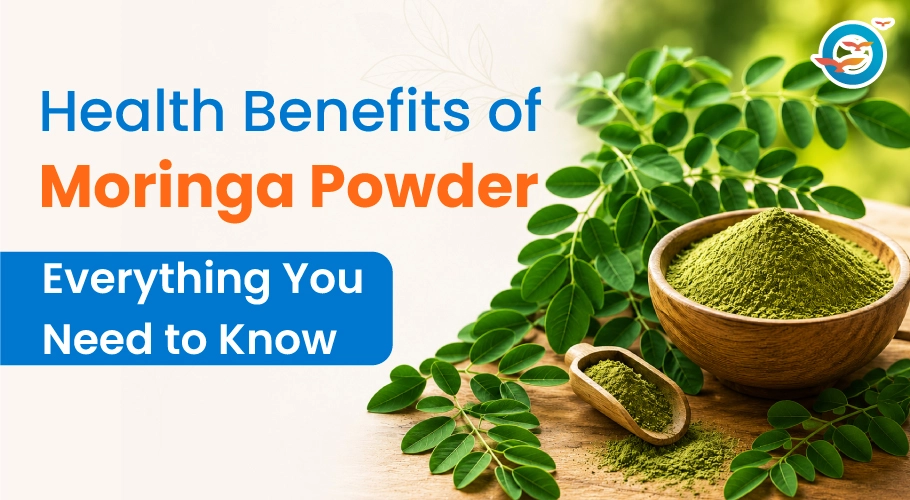
    Moringa powder has gained a reputation as a "superfood," with claims that it can improve everything from energy levels to blood sugar and weight management. But how much of this is backed by science?
    The truth is, moringa powder is packed with nutrients and beneficial plant compounds that can support overall health. However, it's not a magic solution or a replacement for a healthy lifestyle. Understanding what moringa offers and where its limitations lie can help you use it wisely.
    What Is Moringa Powder?
    Moringa powder is made from the dried leaves of the Moringa oleifera tree, commonly known as the drumstick tree. For centuries, it has been used in traditional medicine across Asia and Africa because of its impressive nutritional profile.
    When it comes to moringa powder nutrition, it's naturally rich in vitamins A, C, and E, calcium, iron, magnesium, potassium, plant protein, fiber, and powerful antioxidants. These nutrients work together to support immunity, bone health, muscle function, and overall well-being.
    Health Benefits of Moringa Powder
    Rich in Antioxidants
    One of the biggest health benefits of moringa powder is its high antioxidant content. It contains plant compounds such as quercetin, chlorogenic acid, and polyphenols that help protect cells from oxidative stress.
    Reducing oxidative stress is important because it has been linked to healthy aging and a lower risk of chronic diseases.
    May Support Healthy Blood Sugar
    Many people ask whether moringa powder good for diabetes is just another health trend.
    Some early studies suggest that moringa may support healthy glucose metabolism and improve insulin function. However, current evidence is still limited, and moringa should never replace diabetes medications or lifestyle modifications prescribed by your healthcare provider.
    Instead, it can be considered a supportive addition to an overall healthy eating pattern.
    Browse full blog-
    https://www.freedomfromdiabetes.org/blog/post/moringa-powder-benefits/5369 Contact us :-
    Mob : +91-7776077760
    Email-Id : info@freedomfromdiabetes.org
    Also connect with us on our website , Facebook page, and youtube
    Health Benefits of Moringa Powder: Everything You Need to Know Moringa powder has gained a reputation as a "superfood," with claims that it can improve everything from energy levels to blood sugar and weight management. But how much of this is backed by science? The truth is, moringa powder is packed with nutrients and beneficial plant compounds that can support overall health. However, it's not a magic solution or a replacement for a healthy lifestyle. Understanding what moringa offers and where its limitations lie can help you use it wisely. What Is Moringa Powder? Moringa powder is made from the dried leaves of the Moringa oleifera tree, commonly known as the drumstick tree. For centuries, it has been used in traditional medicine across Asia and Africa because of its impressive nutritional profile. When it comes to moringa powder nutrition, it's naturally rich in vitamins A, C, and E, calcium, iron, magnesium, potassium, plant protein, fiber, and powerful antioxidants. These nutrients work together to support immunity, bone health, muscle function, and overall well-being. Health Benefits of Moringa Powder Rich in Antioxidants One of the biggest health benefits of moringa powder is its high antioxidant content. It contains plant compounds such as quercetin, chlorogenic acid, and polyphenols that help protect cells from oxidative stress. Reducing oxidative stress is important because it has been linked to healthy aging and a lower risk of chronic diseases. May Support Healthy Blood Sugar Many people ask whether moringa powder good for diabetes is just another health trend. Some early studies suggest that moringa may support healthy glucose metabolism and improve insulin function. However, current evidence is still limited, and moringa should never replace diabetes medications or lifestyle modifications prescribed by your healthcare provider. Instead, it can be considered a supportive addition to an overall healthy eating pattern. Browse full blog- https://www.freedomfromdiabetes.org/blog/post/moringa-powder-benefits/5369 Contact us :- Mob : +91-7776077760 Email-Id : info@freedomfromdiabetes.org Also connect with us on our website , Facebook page, and youtube
    WWW.FREEDOMFROMDIABETES.ORG
    Top Health Benefits of Moringa Powder Backed by Science - Freedom from Diabetes
    Learn about the health benefits of moringa powder, its nutrition facts, uses, side effects, and how it may support blood sugar, weight, and wellness safety tips.
    0 Comentários 0 Compartilhamentos 137 Visualizações
  • Shipping Car Across USA With Affordable, Safe Nationwide Transport Services


    Need shipping car services across the USA? Rapid Auto Shipping provides convenient nationwide vehicle transportation for relocations, purchases, dealership transfers, seasonal moves, and long-distance travel. Customers can select suitable options based on their vehicle, route, and schedule. Professional transportation helps reduce unnecessary mileage, fuel expenses, driving time, and road-trip stress while making your vehicle move smoother, easier, and more convenient.


    Visit us: https://l1nk.dev/bgnasfx
    Shipping Car Across USA With Affordable, Safe Nationwide Transport Services Need shipping car services across the USA? Rapid Auto Shipping provides convenient nationwide vehicle transportation for relocations, purchases, dealership transfers, seasonal moves, and long-distance travel. Customers can select suitable options based on their vehicle, route, and schedule. Professional transportation helps reduce unnecessary mileage, fuel expenses, driving time, and road-trip stress while making your vehicle move smoother, easier, and more convenient. Visit us: https://l1nk.dev/bgnasfx
    0 Comentários 0 Compartilhamentos 750 Visualizações
Páginas impulsionada
Patrocinado
Patrocinado
HeyFreaks.com https://heyfreaks.com